
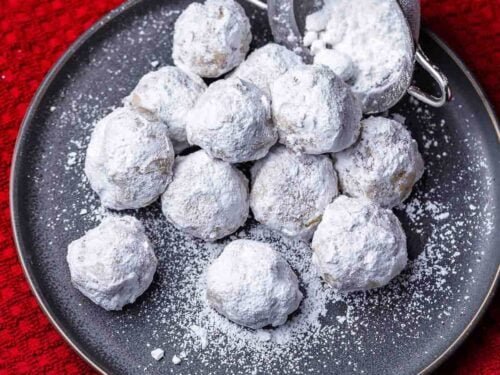
Walnut Balls Recipe: Easy No-Bake Treat
Walnut balls are tender, buttery cookies made with ground walnuts, flour, and powdered sugar.
A reliable walnut balls recipe should produce cookies that are rich, lightly crisp, and soft at the center without feeling dry. After testing different nut sizes, baking times, and sugar coatings in my kitchen, I found that cold dough, finely ground walnuts, and gentle baking give the best results. This guide explains each step, common mistakes, useful swaps, and easy ways to store and serve these classic cookies.
What Are Walnut Balls?
Walnut balls are small, round cookies made with butter, ground walnuts, flour, and confectioners’ sugar. They are often called snowball cookies, Russian tea cakes, Mexican wedding cookies, or butterballs.
The names vary by family and region, but the method is much the same. The dough has no eggs in the classic version, so the cookies have a delicate, sandy texture that melts in your mouth.
This walnut balls recipe uses simple pantry items. The key is balance. Too much flour makes the cookies hard, while too much butter can make them spread.
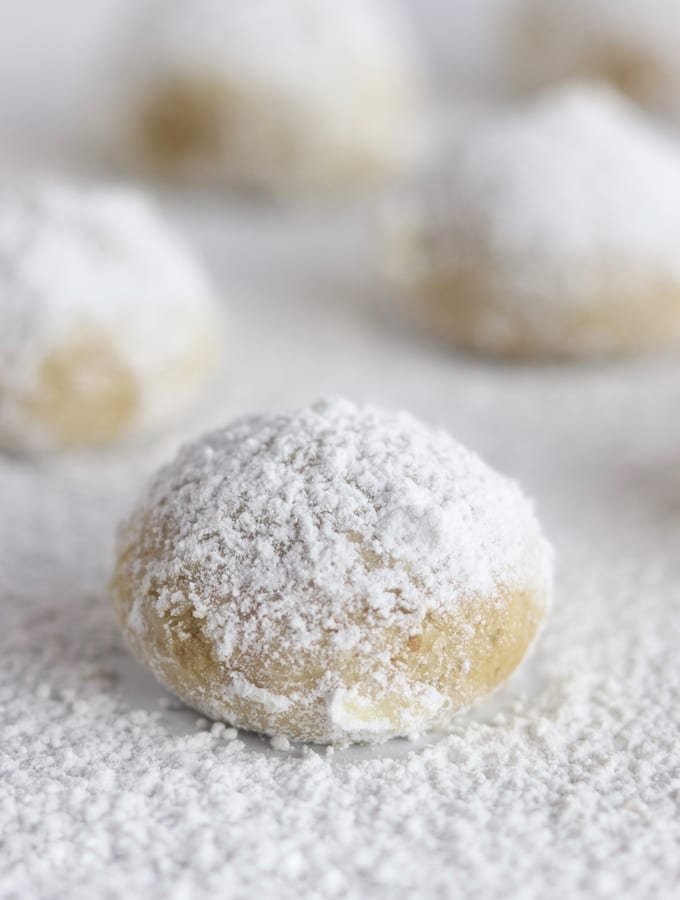
Walnut Balls
Tender, buttery cookies made with ground walnuts, flour, and powdered sugar. These no-bake treats are rich and melt-in-your-mouth delicious, often known as snowball cookies or Russian tea cakes.
Ingredients
Instructions
- 1. Prepare the walnuts by placing them in a food processor and pulsing until they become fine crumbs. Do not blend into a paste; some small pieces add texture.
- 2. In a large mixing bowl, combine the softened butter and ½ cup of powdered sugar. Beat until the mixture is smooth and creamy, approximately 2 minutes.
- 3. Add the vanilla extract to the butter mixture and mix again until well combined.
- 4. In a separate bowl, mix the all-purpose flour, finely ground walnuts, and salt. Gradually add this dry mixture to the butter mixture in two or three additions, mixing on low speed or stirring by hand until just combined. Avoid overmixing to keep the cookies tender.
- 5. Cover the bowl with plastic wrap and chill the dough in the refrigerator for at least 30 minutes to firm up.
- 6. Preheat the oven to 350°F (175°C) and line a baking sheet with parchment paper.
- 7. Scoop approximately 1 tablespoon of dough for each cookie and roll between your palms to form a ball. Place the balls about 1 inch apart on the prepared baking sheet.
- 8. Bake in the preheated oven for 12 to 15 minutes, until the bottoms are lightly golden and the tops remain pale. Let them cool on the baking sheet for 5 minutes before transferring them carefully to a wire rack to cool completely.
- 9. While still warm, roll the cookies in the powdered sugar until coated. Allow them to cool completely, then roll them in powdered sugar a second time.
Notes
- Store cooled walnut balls in an airtight container for up to 1 week.
- For longer storage, freeze the baked cookies for up to 2 months and sprinkle with powdered sugar before serving.
- Substitutions can be made for flavor variations, such as using pecans instead of walnuts or adding spices like cinnamon.
Tips for Tender, Flavorful Cookies
A great walnut balls recipe depends more on small details than fancy equipment. These tips help prevent dry, flat, or crumbly cookies.
• Measure flour with a spoon and level it with a knife. Scooping directly from the bag can add too much flour.
• Use softened butter, not melted butter. Melted butter often causes spreading.
• Grind the walnuts finely. Large pieces can make the dough crack as you shape it.
• Chill the dough before baking. This helps the cookies keep their round shape.
• Avoid overbaking. Pale tops and lightly golden bottoms are the best signs of doneness.
• Cool the cookies before storing them. Warm cookies create steam, which can soften the sugar coating.
• Use parchment paper for even baking and easy cleanup.
One mistake I often see in this walnut balls recipe is adding extra flour because the dough feels soft. Resist that urge. The dough becomes firmer after chilling, and extra flour can make the finished cookies dry.
Common Problems and Simple Fixes
Why do walnut balls spread?
The butter may have been too warm, or the dough may not have chilled long enough. Chill the shaped dough for 15 minutes before baking if your kitchen is hot.
Why are the cookies crumbly?
Walnut balls are naturally delicate, but excessive flour can make them fall apart. Also, allow the cookies to cool for several minutes before moving them.
Why are the cookies dry?
Dry cookies usually come from overbaking or using too much flour. Remove them when the bottoms are just golden.
Why does the powdered sugar disappear?
Warm cookies absorb the first coating. Roll them again once they are cool for a bright white finish.
Why is the dough difficult to shape?
The dough may be too cold or slightly dry. Let it sit at room temperature for 5 to 10 minutes, then gently press it together with your hands.
:max_bytes(150000):strip_icc()/Simply-Recipes-Walnut-Snowball-Cookies-Lead-4-f21104987c5e4cc6a431ecd1f8dfb929.jpg)
Easy Variations
This walnut balls recipe is easy to change while keeping its classic shape.
Orange walnut balls
Add 1 teaspoon of finely grated orange zest with the vanilla. Orange brightens the rich butter and walnut flavor.
Chocolate walnut balls
Replace ¼ cup of flour with unsweetened cocoa powder. Add 1 tablespoon of milk only if the dough feels too dry.
Cinnamon walnut balls
Add ½ teaspoon of ground cinnamon to the dry ingredients. A small pinch of cardamom also works well.
Pecan balls
Replace the walnuts with finely ground pecans. Pecans create a softer, sweeter flavor.
Gluten-free walnut balls
Use a trusted one-to-one gluten-free flour blend. Check that the blend contains a binder such as xanthan gum, and expect a slightly different texture.
Dairy-free walnut balls
Use a firm dairy-free butter made for baking. Soft tub-style spreads may contain more water and can change how the cookies bake.
Do not change several ingredients at once during your first test. Change one item, such as the nut or spice, so you can understand its effect.

How to Store Walnut Balls
Store cooled walnut balls in an airtight container at room temperature for up to 1 week. Place parchment between layers if the cookies have a thick sugar coating.
For longer storage, freeze the baked cookies for up to 2 months. Let them thaw at room temperature, then add a fresh dusting of powdered sugar before serving.
You can also freeze the unbaked dough. Shape it into balls, place the balls on a tray, and freeze until firm. Transfer them to a freezer-safe bag or container.
Bake frozen dough at 350°F, adding about 2 to 4 minutes to the baking time. Do not thaw the dough completely, or the cookies may spread more than expected.
Keep walnut balls away from strong-smelling foods. Their buttery texture can absorb odors from onions, spices, or other foods in the refrigerator.
:max_bytes(150000):strip_icc()/51969-31a82417dd144a899ecf86a2a117fd8a.jpg)
Serving Ideas
Walnut balls are excellent with coffee, tea, hot chocolate, or a glass of milk. Their rich texture makes them a natural addition to holiday cookie trays and dessert tables.
For a simple presentation, arrange them in small paper cups. You can also place them in a gift tin with parchment between the layers.
Try serving them with:
• Espresso or black coffee
• Chai tea or Earl Grey tea
• Vanilla ice cream
• Fresh berries
• A light dusting of cinnamon and powdered sugar
These cookies are quite rich, so small portions work well. One or two walnut balls can complete a dessert plate without overwhelming it.

Nutrition and Allergen Notes
The exact nutrition depends on the size of each cookie and the amount of powdered sugar used. Walnuts provide unsaturated fats, fiber, and plant-based protein, but walnut balls are still a butter-based sweet treat.
Walnuts are a major tree-nut allergen. Anyone with a nut allergy should avoid this recipe unless a qualified health professional confirms that a safe substitution is suitable.
Use separate tools and surfaces when baking for someone with a serious allergy. Even small traces of nuts can be dangerous for sensitive individuals.
For food safety, store the cookies in a clean, sealed container. Because this recipe contains no eggs or dairy filling, room-temperature storage is generally suitable when the cookies are fully baked and kept dry.
Frequently Asked Questions About Walnut Balls Recipe
Can I make walnut balls without a food processor?
Yes. Chop the walnuts very finely with a sharp knife, or place them in a sealed bag and crush them with a rolling pin. Stop before they become oily or paste-like.
Should walnut balls be refrigerated?
They do not need refrigeration when stored in a cool, dry place. Refrigerate them only if your kitchen is very warm or if you prefer a firmer texture.
Can I use brown sugar instead of powdered sugar?
Powdered sugar gives walnut balls their tender texture. Brown sugar can work, but it adds moisture and a deeper flavor, so the cookies may spread and feel less delicate.
Why do my walnut balls crack?
Small cracks are normal and often disappear under the sugar coating. Large cracks usually mean the dough is too dry, the walnuts are too coarse, or the dough was not pressed together firmly.
Can I prepare this walnut balls recipe ahead of time?
Yes. Prepare the dough up to 2 days ahead and keep it covered in the refrigerator. Let it soften slightly before shaping, or freeze the shaped dough for longer storage.
What is the difference between walnut balls and snowball cookies?
They are usually the same style of cookie. Names differ by region and family, but both commonly use butter, flour, ground nuts, and powdered sugar.
Conclusion
This walnut balls recipe makes tender, buttery cookies with crisp edges, a soft center, and a snowy sugar coating. Fresh walnuts, properly measured flour, chilled dough, and careful baking are the main secrets to success.
Make a batch for a holiday tray, a weekend treat, or a thoughtful homemade gift. Try the classic version first, then explore orange zest, cinnamon, chocolate, or pecans. If you bake these walnut balls, share your favorite variation or serving idea in the comments.