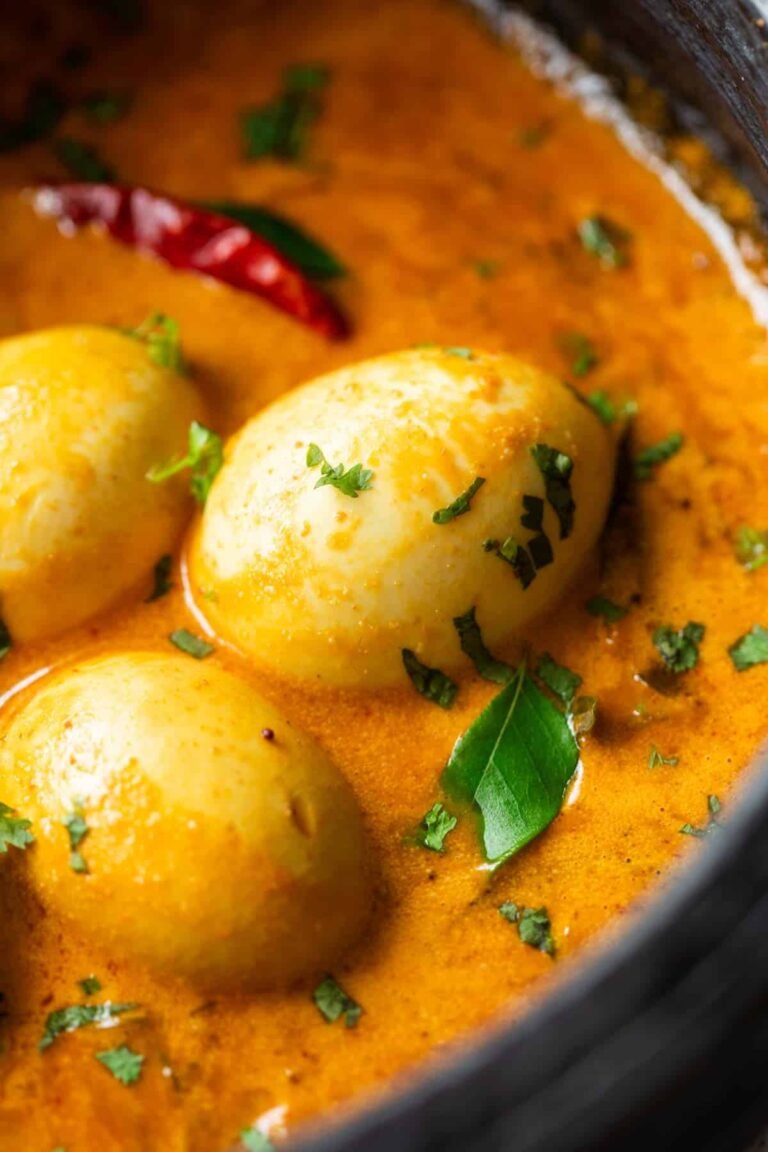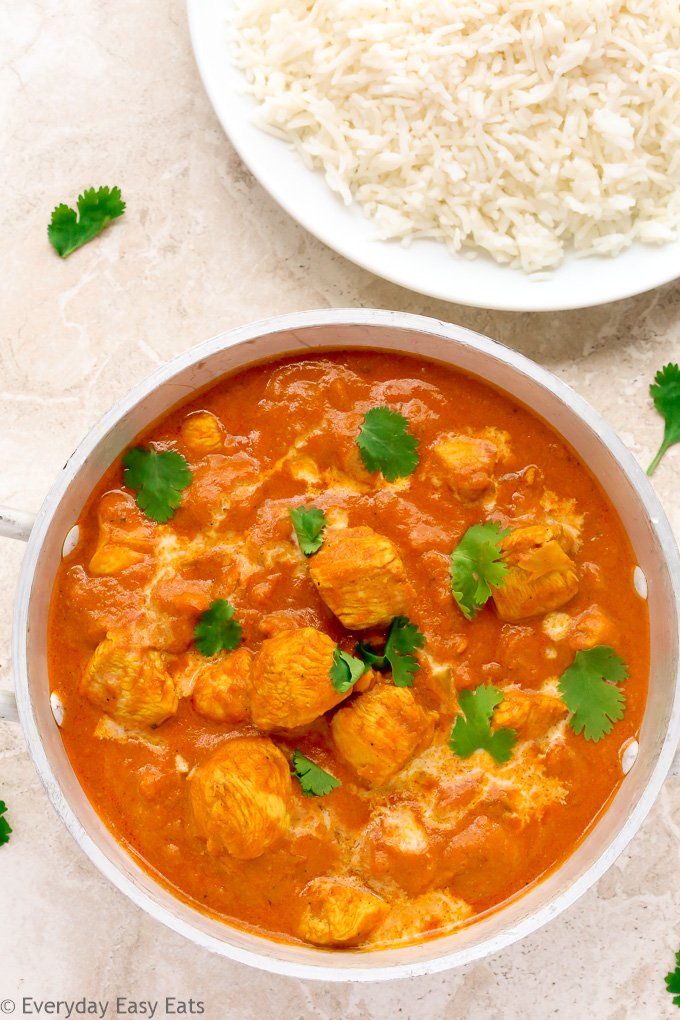
Chicken Curry Recipe Without Coconut Milk: Quick & Flavorful
A rich, tangy chicken curry made without coconut milk—creamy, aromatic, and allergen-friendly.
I have cooked, tested, and refined this chicken curry recipe without coconut milk for years. As a chef and home cook, I know how to build deep flavor without relying on coconut. This guide explains why to skip coconut milk, what to use instead, and how to make a reliable, restaurant-quality chicken curry recipe without coconut milk that is simple, flexible, and full of flavor. Read on for ingredients, step-by-step technique, smart swaps, troubleshooting, and real tips learned from hands-on practice.

Why choose a chicken curry recipe without coconut milk
Many cooks want a chicken curry recipe without coconut milk for taste, allergy, or cultural reasons. Coconut can be heavy and sweet. Some people are allergic or follow diets that avoid it. A version without coconut milk keeps the sauce lighter and lets spices shine.
I tested this approach over many meals. You can get creaminess from yogurt, nuts, or simmered vegetables. You can also control fat and calories more easily. This recipe gives deep savory notes and balanced acidity without the coconut flavor.
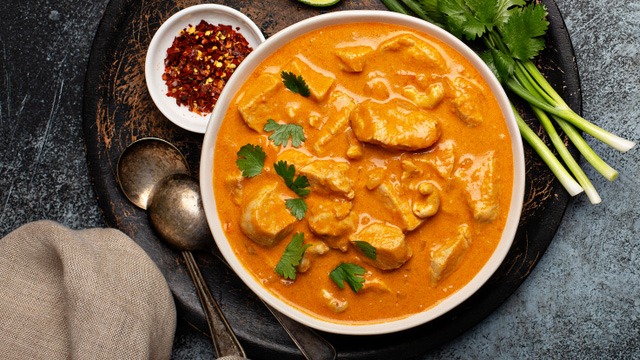
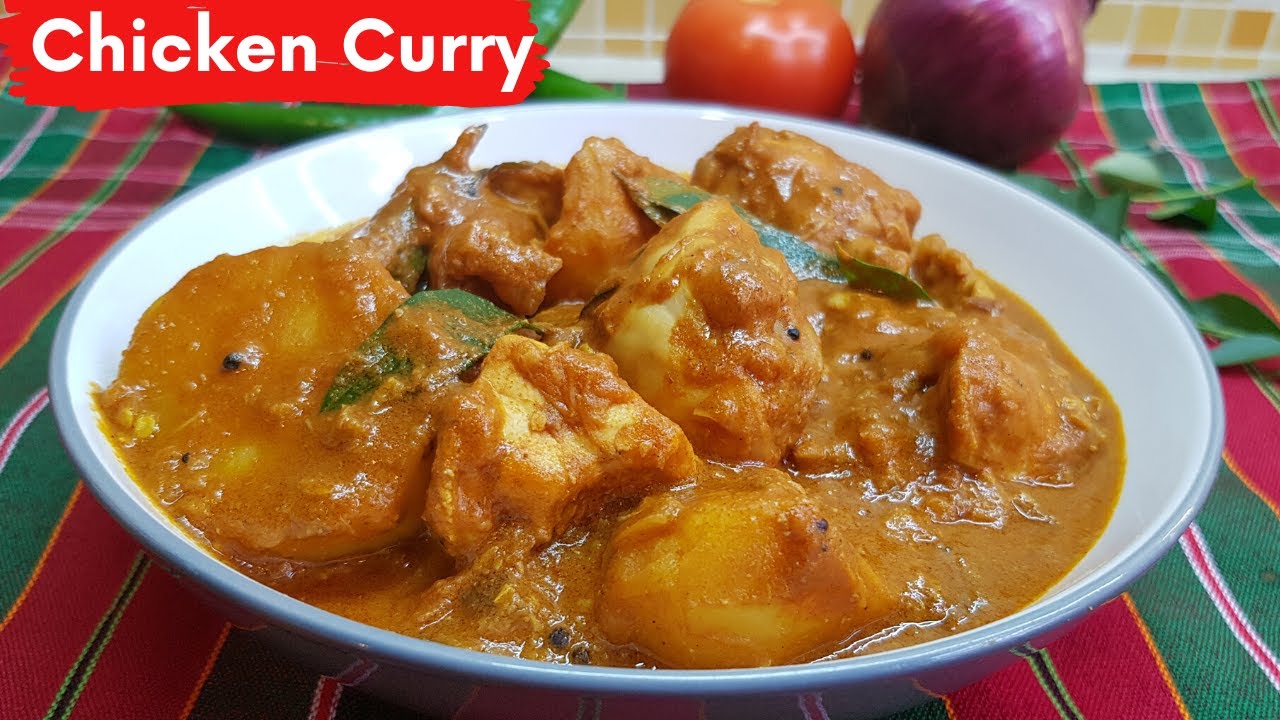
Chicken Curry Without Coconut Milk
A rich and tangy Chicken Curry made creamy without coconut milk, perfect for those with dietary restrictions or preferences for lighter flavors. This recipe is quick, flavorful, and can be easily adjusted to suit your taste.
Ingredients
Instructions
- Pat the chicken dry and season with salt and a pinch of turmeric. Let it rest for 10 minutes.
- Heat the vegetable oil or ghee in a heavy pan over medium-high heat.
- Brown the chicken in batches for about 3 minutes on each side until golden. Set aside.
- Reduce the heat to medium and add more oil if necessary. Sauté the chopped onions until golden, stirring often, for about 8-10 minutes.
- Add the minced garlic and grated ginger to the pan and cook for 1 minute until fragrant.
- Stir in the turmeric, coriander, cumin, paprika, and cayenne. Cook for 1 minute to toast the spices.
- Add the pureed or finely chopped tomatoes and simmer until the oil separates, about 8 minutes, stirring regularly.
- Return the browned chicken to the pan and pour in the chicken broth. Bring it to a simmer and cover the pan.
- Let the curry cook for 15-20 minutes, until the chicken is fully cooked.
- Off the heat, whisk in the yogurt to avoid curdling. Alternatively, stir in the blended cashews or almond paste for creaminess.
- Simmer the curry for an additional 3-5 minutes to thicken the sauce.
- Stir in the garam masala and the lemon juice. Taste and adjust the seasoning with salt and chili if needed.
- Garnish with fresh cilantro and serve with rice or flatbread.
Notes
- For a dairy-free option, replace yogurt with nut cream or a starch slurry from blended potatoes.
- Adjust the level of spiciness to your preference by varying the amount of cayenne or chili powder.
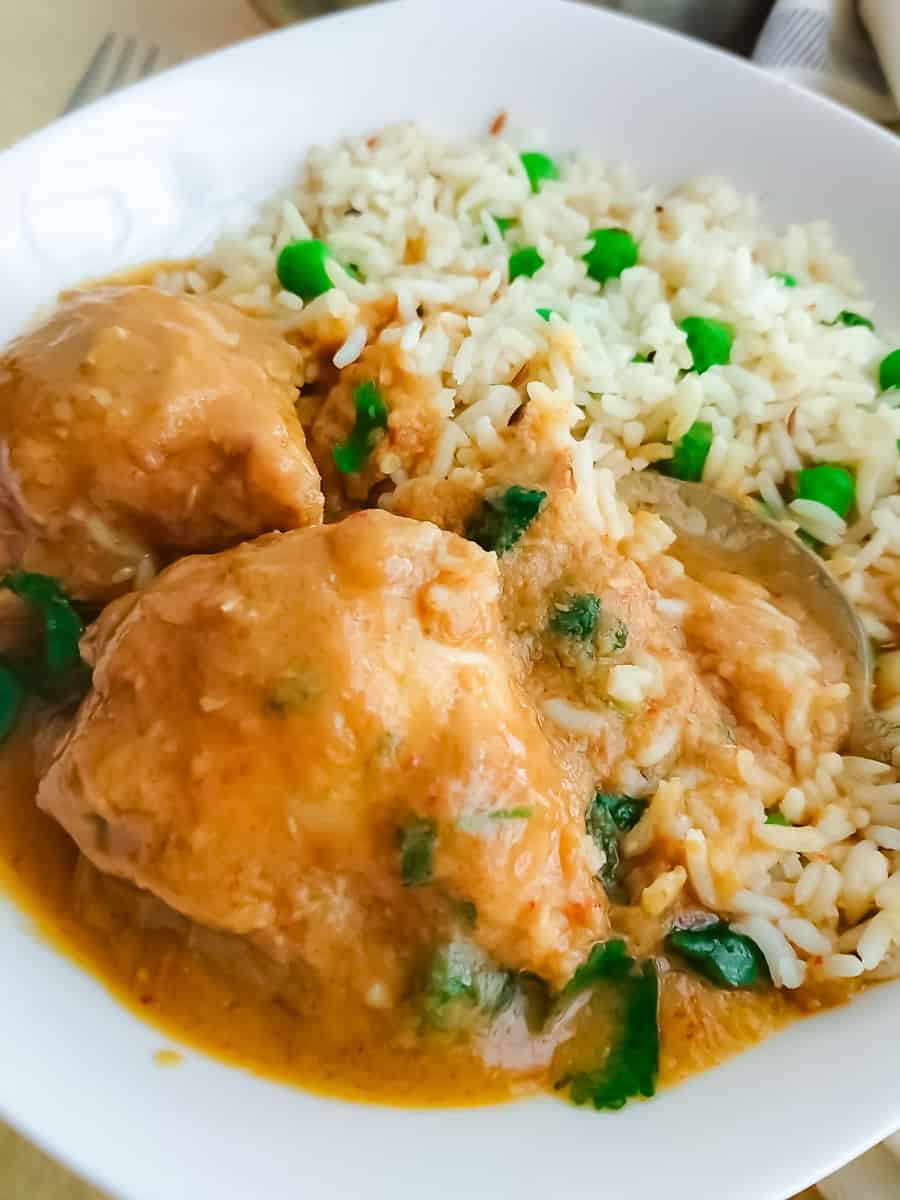
Variations and flavor profiles
You can adapt this chicken curry recipe without coconut milk to many tastes.
- Tomato-based curry
- Rely mostly on tomatoes and yogurt for tang and body.
- Yogurt-rich curry
- Use more yogurt for creaminess and a milder tang.
- Nut-cream curry
- Blend soaked cashews or almonds into a smooth paste and stir in for silkiness.
- Dairy-free swap
- Use unsweetened almond milk plus a nut paste or pureed potatoes to thicken.
- Spicy or smoky
- Add smoked paprika, roasted whole spices, or extra chilies for depth.
- Herbed curry
- Finish with fresh mint or cilantro for brightness.
Each variation keeps to the idea of a chicken curry recipe without coconut milk while offering new textures and aromas.
Substitutes for coconut milk and how they change the dish
Choosing the right coconut milk substitute affects flavor, texture, and nutrition.
- Yogurt
- Adds tang and body. Use Greek yogurt for thicker texture; temper it to avoid splitting.
- Nut creams (cashew or almond)
- Provide silky texture and mild nutty flavor. Good for dairy-free diets.
- Heavy cream or half-and-half
- Gives a rich mouthfeel but increases saturated fat. Use sparingly.
- Plant milks (unsweetened almond, soy)
- Lighter texture; combine with a thickener like blended nuts or a roux.
- Pureed vegetables (potato, cauliflower)
- Neutral flavor and thick body; great if you want low-fat creaminess.
Each substitute affects the curry. For example, yogurt yields tang; cashews give creaminess without dairy notes. Match the substitute to your dietary needs and desired taste.

Tips, common mistakes, and personal experience
I have cooked this chicken curry recipe without coconut milk dozens of times. Here are real lessons and tips.
- Do not add yogurt to a rolling boil
- Add it off heat and stir to keep it from curdling.
- Use chicken thighs for flavor
- Thighs stay juicy and hold up to long simmering.
- Toast whole spices briefly
- Toasting seeds releases essential oils and improves aroma.
- Control acidity
- A splash of lemon at the end lifts flavors without making the curry sour.
- Thickening tricks
- Blend a small amount of cooked potato or use a cashew paste for creamy texture.
- Mistakes I made and fixed
- I once added yogurt to a high boil and it split. Now I temper or add yogurt at low heat.
- I under-salted early and could not fully recover the sauce; I now taste and adjust salt at the end.
These are practical steps you can apply right away for better results.
Nutrition and health considerations
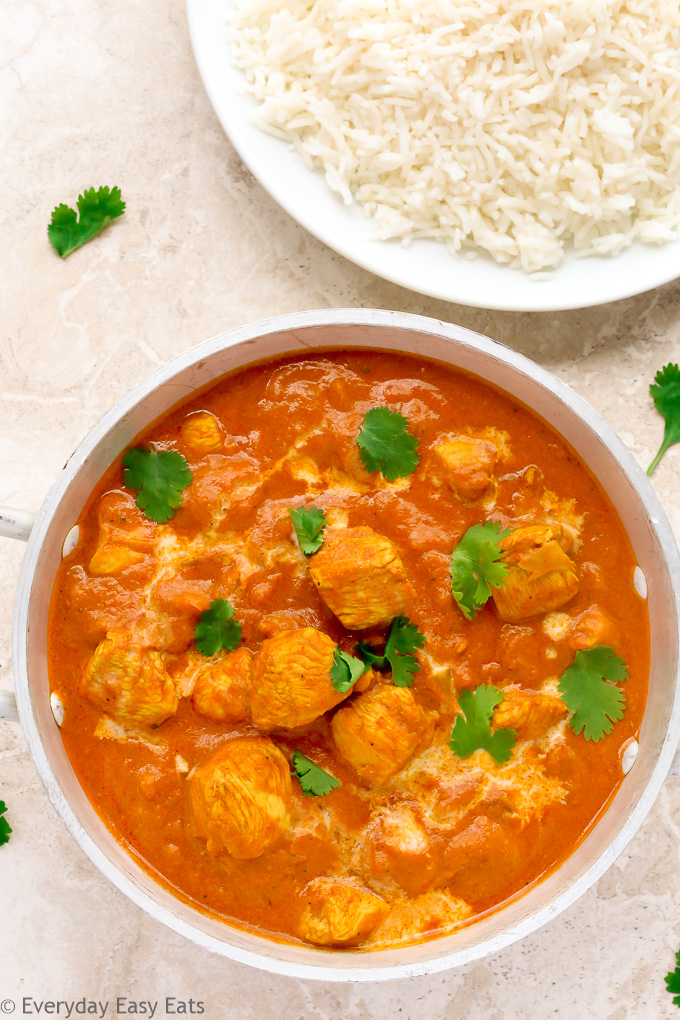
A chicken curry recipe without coconut milk can be leaner and less sweet than coconut-based versions.
- Calories and fat
- Removing coconut milk cuts saturated fat. Using yogurt or broth lowers calories.
- Protein
- Chicken provides a solid protein source. Choose lean cuts for lower fat.
- Allergies and intolerances
- Coconut allergies are less common than nut allergies. Replace cashews with potato puree if nuts are a concern.
- Sodium control
- Use low-sodium broth and adjust salt to taste to keep sodium in check.
- Vitamins and fiber
- Add vegetables like spinach, peas, or bell peppers to boost micronutrients.
If you have specific dietary needs, consult a nutrition professional for tailored advice.
Storage, reheating, and make-ahead tips
Plan ahead and save time with smart storage.
- Refrigerator
- Store cooled curry in airtight containers for up to 3–4 days.
- Freezer
- Freeze up to 3 months. Thaw overnight in the fridge before reheating.
- Reheating
- Reheat gently on low heat. Add a splash of broth if the sauce has thickened too much.
- Make-ahead
- Cook to the penultimate step and finish with yogurt or nut cream just before serving for best texture.
Label containers with dates. Gentle reheating preserves sauce texture and flavor.
Frequently Asked Questions of chicken curry recipe without coconut milk
What is the best substitute for coconut milk in chicken curry?
Yogurt or blended cashews are the best substitutes. Yogurt adds tang and cashews add creamy texture without coconut flavor.
Will yogurt curdle in hot curry?
Yogurt can split if added to a high boil. Temper it by stirring a little hot sauce into yogurt first or adding yogurt off the heat, then warm gently.
Can I make this chicken curry recipe without coconut milk dairy-free?
Yes. Replace yogurt with nut cream from soaked cashews or use unsweetened plant milk plus a thickener like blended potato.
How long does this coconut-free chicken curry keep in the fridge?
Stored in an airtight container, it keeps well for 3 to 4 days. Reheat gently and add a splash of broth if needed.
Is this curry suitable for meal prep?
Yes. It stores and reheats well. Finish with fresh herbs and lemon just before serving for best results.
Conclusion
This chicken curry recipe without coconut milk proves that deep, rich curry need not rely on coconut. Use yogurt, nut creams, or pureed vegetables to build body and creaminess. Brown the chicken, cook tomatoes fully, and add dairy or nut cream gently for a stable, silky sauce. Try the recipe, tweak spices to your taste, and share your results. If you found this guide helpful, subscribe for more tested recipes, leave a comment with your tweaks, or try the suggested variations to make this curry your own.