Vanilla Mousse Cake Recipe: Easy Creamy Dessert
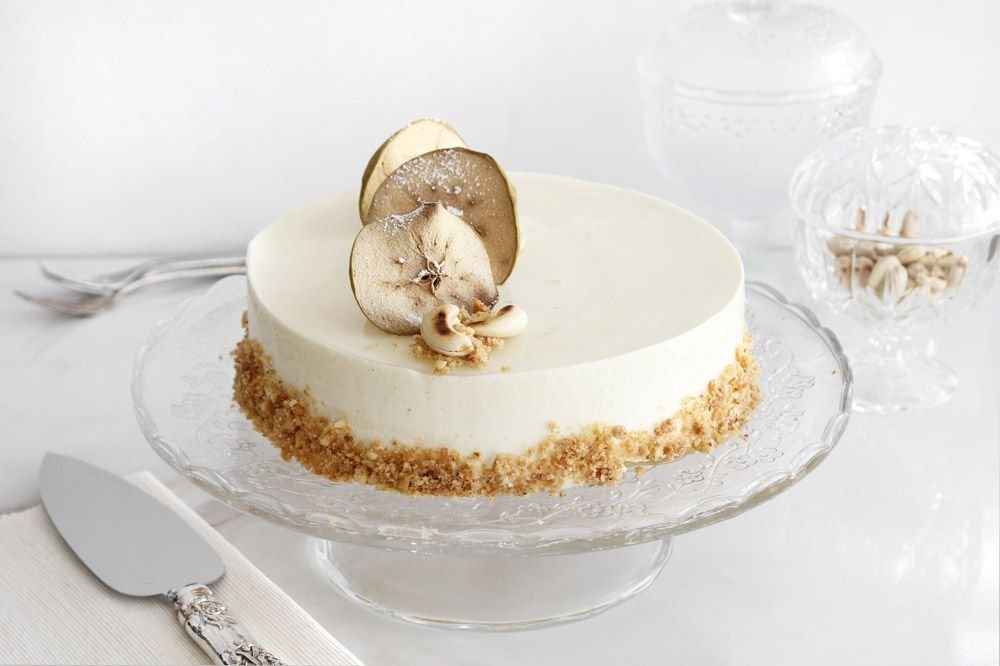
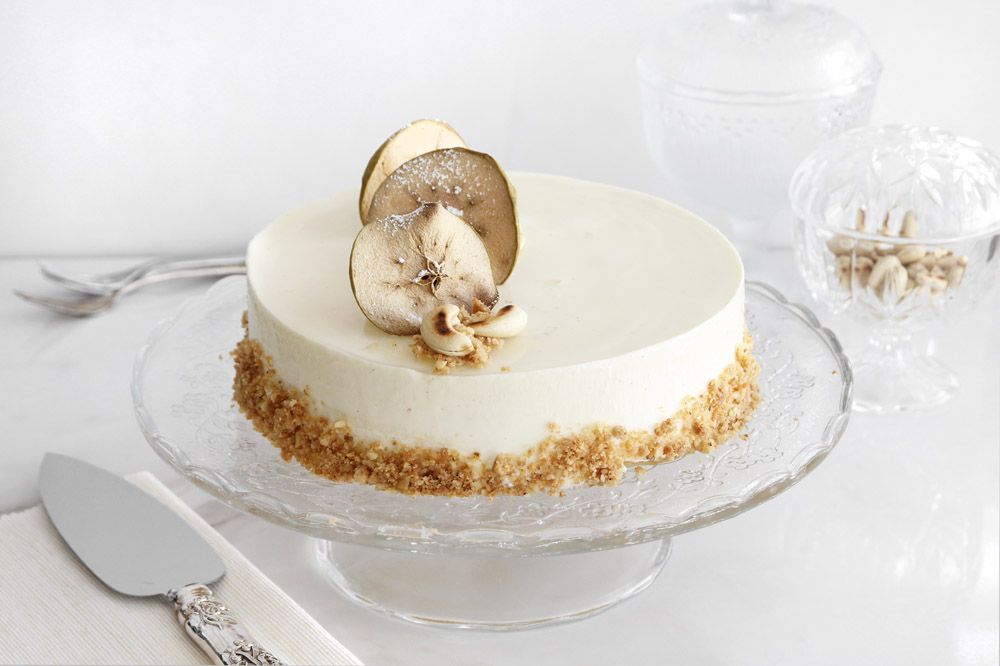
This vanilla mousse cake recipe makes a light, creamy dessert with a soft vanilla sponge and smooth mousse layer.
A well-made vanilla mousse cake should feel airy, rich, and balanced rather than heavy or overly sweet. After testing mousse cakes at home and in professional-style kitchens, I have found that the key lies in gentle folding, a stable gelatin mixture, and enough chilling time. This vanilla mousse cake recipe explains each step, shares common mistakes, and gives you practical tips for a clean, bakery-style finish.
What Makes This Vanilla Mousse Cake Special
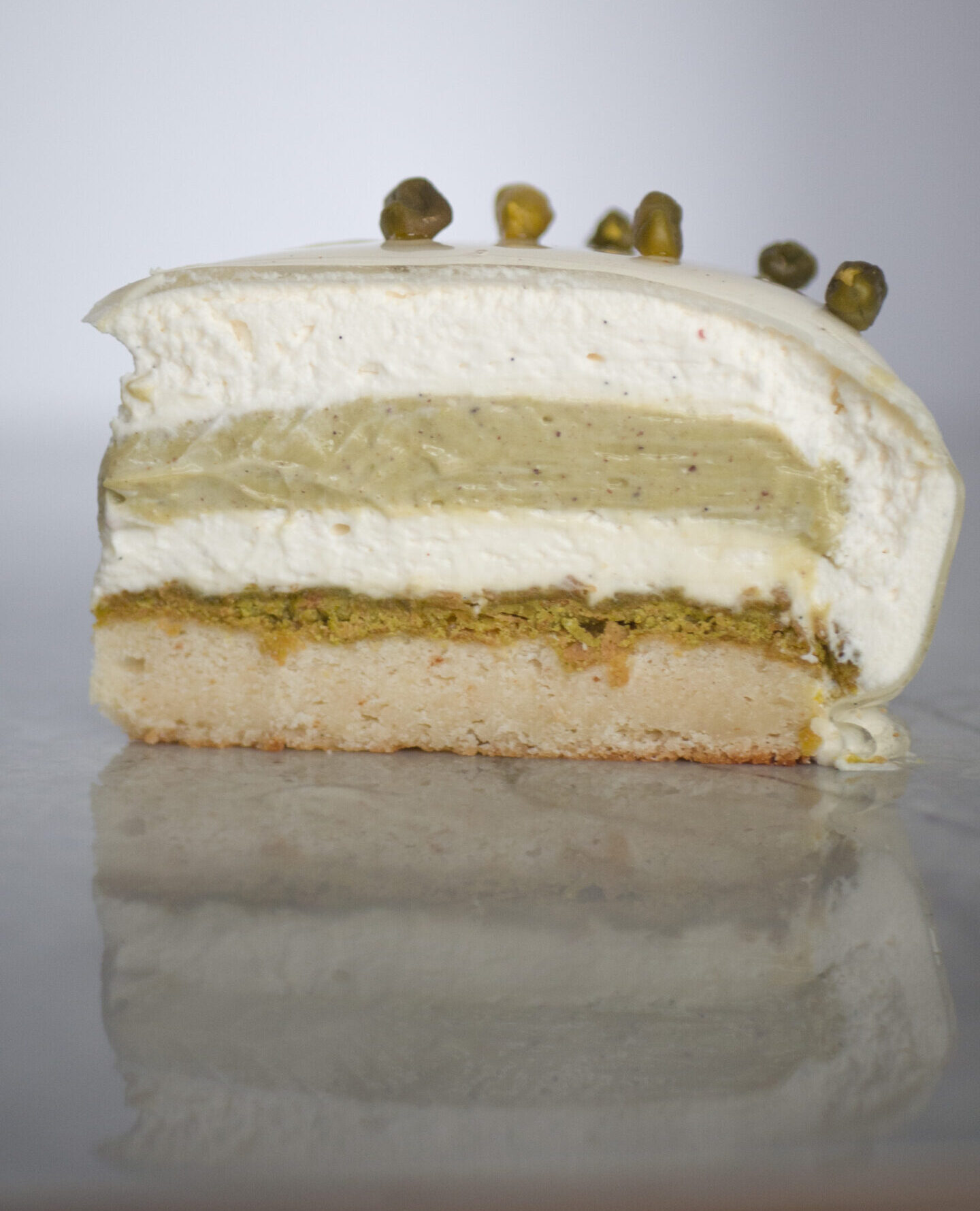
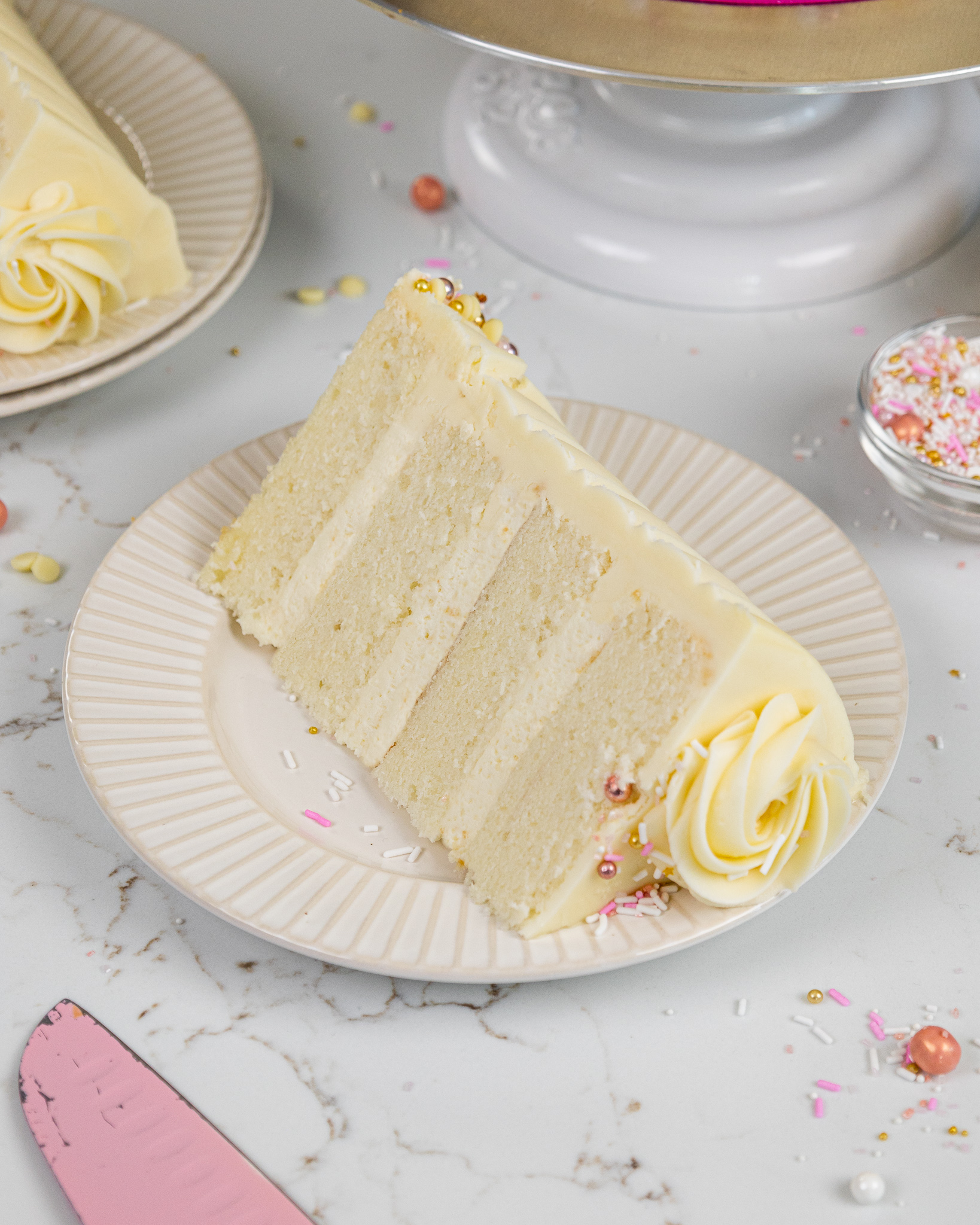
This vanilla mousse cake recipe combines three simple parts: a tender vanilla cake base, a silky vanilla mousse, and a light topping. Each layer has a different texture, yet they work together like soft music. The cake gives structure, while the mousse adds a cool, creamy finish.
Vanilla may seem plain, but real vanilla has deep floral notes. Vanilla extract works well, but vanilla bean paste gives the best flavor and shows tiny vanilla seeds in the mousse. Pure vanilla extract is also a good choice for everyday baking.
The mousse is lighter than frosting because whipped cream adds air. Gelatin helps the mousse hold its shape when sliced. This balance creates a cake that feels elegant without requiring advanced pastry tools.
This vanilla mousse cake recipe is ideal for:
• Birthdays and anniversaries
• Bridal showers and baby showers
• Holiday dinners
• Afternoon tea
• Summer gatherings
• Make ahead desserts
Vanilla Mousse Cake
A light, creamy dessert combining a tender vanilla sponge with smooth vanilla mousse, perfect for celebrations or afternoon teas.
Ingredients
Instructions
- Prepare an 8-inch springform pan by greasing the bottom and lining it with parchment paper. Optionally, line the sides with a strip of acetate or parchment. Preheat the oven to 350°F (175°C).
- In a small bowl, whisk together the flour, baking powder, and salt.
- In a separate large bowl, beat the eggs and granulated sugar together for 4 to 5 minutes until the mixture is pale, thick, and slightly fluffy.
- Add the melted butter, whole milk, and vanilla extract to the egg mixture. Gently fold to combine.
- Gradually add the dry ingredients in two portions, stopping as soon as no dry streaks remain.
- Pour the batter into the prepared pan and bake for 18 to 22 minutes, or until the center springs back when lightly pressed. A toothpick should come out clean or with a few soft crumbs. Cool in the pan for 10 minutes before transferring to a rack to cool completely.
- In a small bowl, sprinkle the gelatin over the cold water and let it bloom for 5 minutes. Then warm the mixture in the microwave for 8 to 10 seconds, stirring until dissolved without boiling.
- In a mixing bowl, beat the softened cream cheese, powdered sugar, and vanilla until smooth. Add 2 tablespoons of the cream cheese mixture to the warm gelatin and stir well.
- Pour the gelatin mixture into the remaining cream cheese mixture and beat briefly until combined.
- In a separate bowl, whip the heavy cream with granulated sugar until medium peaks form. Gently fold in one-third of the whipped cream into the cream cheese mixture, then fold in the remaining whipped cream in two additions, using a wide spatula and gentle strokes.
- Place the cooled cake layer back in the springform pan. If the cake has a domed top, carefully trim it to ensure it's level. Spoon the mousse over the cake, spreading it evenly with an offset spatula. Tap the pan lightly on the counter to remove air pockets.
- Cover the pan and refrigerate for at least 6 hours, ideally overnight, until the mousse is firm.
- To decorate, run a warm knife around the edge of the pan and release the springform ring. Whip the topping cream, powdered sugar, and vanilla extract until soft peaks form, then pipe small swirls around the edge of the cake. Optional: add fresh berries or white chocolate curls before serving.
- For clean slices, dip a sharp knife in hot water, wipe it dry, and cut carefully. Repeat this for each slice.
Notes
- Use room temperature cream cheese to ensure a smooth mixture without lumps.
- Keep the heavy cream cold before whipping to achieve the best texture.
- Be cautious not to overwhip the cream; medium peaks are ideal to keep the mousse light and airy.
Practical Tips for a Light and Stable Mousse
A reliable vanilla mousse cake recipe depends more on technique than expensive ingredients. These tips can make the difference between a smooth cake and a mousse that feels dense.
• Use room temperature cream cheese so it blends without lumps.
• Keep the heavy cream cold until you whip it.
• Stop whipping at medium peaks. Cream that is too stiff does not fold easily.
• Let the gelatin cool slightly before mixing it into the cream cheese.
• Fold with a spatula instead of stirring quickly.
• Chill the cake for at least 6 hours.
• Keep the cake cold until you are ready to serve.
• Use a springform pan for easy release.
• Measure gelatin carefully. Too much can make the mousse rubbery.
• Do not pour mousse over a warm cake base.
In my own baking, the mistake I made most often was overwhipping the cream. I thought firmer cream would create a stronger mousse. Instead, it made the final texture heavy and slightly grainy. Medium peaks create a much softer bite.
Another useful lesson is to soften cream cheese naturally. A microwave can heat some parts while leaving other parts cold. Let it sit at room temperature for about 30 minutes, then beat it until smooth.
Common Problems and How to Fix Them
Even an experienced baker can face problems with mousse cake. Most issues come from temperature, mixing, or chilling.
The mousse is too soft
The cake may not have chilled long enough. It can also happen when the gelatin was not fully dissolved or when the cream was too warm.
Chill the cake overnight if possible. If the mousse still feels loose, check the amount of liquid in the recipe and make sure the gelatin was properly bloomed.
The mousse is rubbery
Too much gelatin causes a firm, bouncy texture. Boiling gelatin can also produce an unpleasant set.
Measure the gelatin with care. For a softer mousse, reduce it slightly, but do not remove it completely unless you plan to serve the cake immediately.
The mousse has lumps
Cold cream cheese is the usual cause. Gelatin can also form small pieces if it cools too much before blending.
Beat the cream cheese until smooth before adding other ingredients. If the gelatin mixture begins to set, warm it briefly and stir until liquid.
The cake base is dry
Overbaking dries a thin sponge quickly. Oven temperatures can also vary, even when the display looks accurate.
Start checking the cake two minutes before the suggested baking time. You can brush the cooled sponge with a small amount of milk or simple syrup if needed.
The mousse has lost its air
Overmixing after adding whipped cream removes the bubbles that make mousse light. Think of the air as tiny balloons. Stirring too hard pops them.
Fold slowly and stop as soon as the mousse looks even. A few faint streaks are better than a dense mousse caused by excessive mixing.
The cake sticks to the pan
A warm knife can help release the sides. Run it around the pan with slow, steady pressure.
For the next cake, line the sides with acetate or parchment. This small step gives the cake a clean edge.
Variations for This Vanilla Mousse Cake Recipe
Once you understand the basic method, you can adapt this vanilla mousse cake recipe in several ways.
Berry vanilla mousse cake
Spread a thin layer of raspberry or strawberry jam over the cooled cake before adding the mousse. Fresh berries also work well, but pat them dry first. Extra water can weaken the mousse.
Lemon vanilla mousse cake
Add 1 tablespoon of fresh lemon zest to the cream cheese mixture. You can also brush the cake with lemon syrup made from equal parts lemon juice and sugar.
Do not add too much lemon juice directly to the mousse. Excess liquid can change its structure.
White chocolate vanilla mousse cake
Melt 4 ounces of white chocolate and let it cool until barely warm. Blend it into the cream cheese mixture before folding in the whipped cream.
White chocolate adds sweetness and helps the mousse set. Reduce the powdered sugar slightly if you use this variation.
Gluten free vanilla mousse cake
Use a trusted one to one gluten free flour blend for the cake base. Check that the blend contains a binder such as xanthan gum if required.
The mousse is naturally gluten free, but always check labels when serving guests with celiac disease or a serious allergy.
No bake vanilla mousse cake
For a no bake version, replace the sponge with crushed vanilla cookies mixed with melted butter. Press the mixture firmly into the pan and chill before adding the mousse.
This version is quick, but the cookie base is denser than sponge cake. It is useful when you want to avoid turning on the oven.
How to Store and Serve the Cake
Store the finished vanilla mousse cake in the refrigerator. Cover it loosely with plastic wrap or place it in a cake carrier. It is best within three days.
Keep the refrigerator at 40°F or below. Since this cake contains dairy, do not leave it at room temperature for more than two hours. On a hot day, refrigerate it within one hour.
You can freeze the cake for up to one month. Freeze it uncovered until firm, then wrap it well and place it in an airtight container. Thaw it overnight in the refrigerator.
Decorate after thawing when possible. Whipped cream, berries, and delicate chocolate pieces can lose their shape during freezing.
Serve the cake cold but not icy. Let it sit at room temperature for 10 to 15 minutes before slicing. This short rest softens the mousse and improves the vanilla flavor.

Nutrition and Ingredient Considerations
A typical slice of vanilla mousse cake contains calories from cream cheese, heavy cream, sugar, eggs, flour, and butter. The exact amount depends on slice size and decorations.
For a lighter version, use less topping cream and serve smaller slices with fresh berries. Replacing some cream cheese with Greek yogurt can reduce richness, but it may also create a softer mousse.
This dessert contains dairy, eggs, gluten, and gelatin. Gelatin is usually made from animal collagen, so it is not suitable for vegetarian diets.
For a vegetarian option, use an approved plant based setting agent. Agar behaves differently from gelatin and often requires boiling, so follow the package directions rather than swapping it in equal amounts.
If you are serving people with food allergies, check every ingredient label. Vanilla flavoring, chocolate decorations, and cookie bases may contain hidden allergens.

Frequently Asked Questions About Vanilla Mousse Cake Recipe
Can I make vanilla mousse cake without gelatin?
Yes, but the mousse may be softer and less stable. You can use a vegetarian setting agent, mascarpone, or white chocolate, but each option changes the texture and method.
How long should vanilla mousse cake chill?
Chill the cake for at least 6 hours. Overnight chilling is better because it gives the mousse enough time to set firmly and makes slicing easier.
Can I make this vanilla mousse cake recipe ahead of time?
Yes, you can make it one day ahead and keep it covered in the refrigerator. Add fresh fruit, whipped cream, or chocolate decorations shortly before serving.
Why did my mousse become grainy?
Grainy mousse often comes from overwhipped cream or partially set gelatin. Use medium whipped peaks and make sure the gelatin is fully melted before blending it into the cream cheese mixture.
Can I freeze vanilla mousse cake?
Yes, freeze the undecorated cake for up to one month. Thaw it overnight in the refrigerator, then add the topping and serve once the mousse is soft but still chilled.
What vanilla is best for mousse cake?
Pure vanilla extract gives a clean and reliable flavor. Vanilla bean paste adds a richer taste and visible seeds, while imitation vanilla can work when baking on a budget.
Can I use a different pan size?
You can use a 9 inch pan, but the cake and mousse will be thinner and may need less chilling time. A smaller pan makes a taller cake and may require a few extra minutes for the sponge.
Conclusion
This vanilla mousse cake recipe is built on simple ideas: bake a tender sponge, create a smooth mousse, fold gently, and chill patiently. Quality vanilla, cold cream, accurate gelatin, and careful timing will give you a light cake with a clean slice.
Start with the classic version before trying berries, lemon, or white chocolate. Make it a day ahead for a calm dessert plan, then decorate it just before serving. Try this vanilla mousse cake recipe for your next celebration, and share your results or favorite variation in the comments.