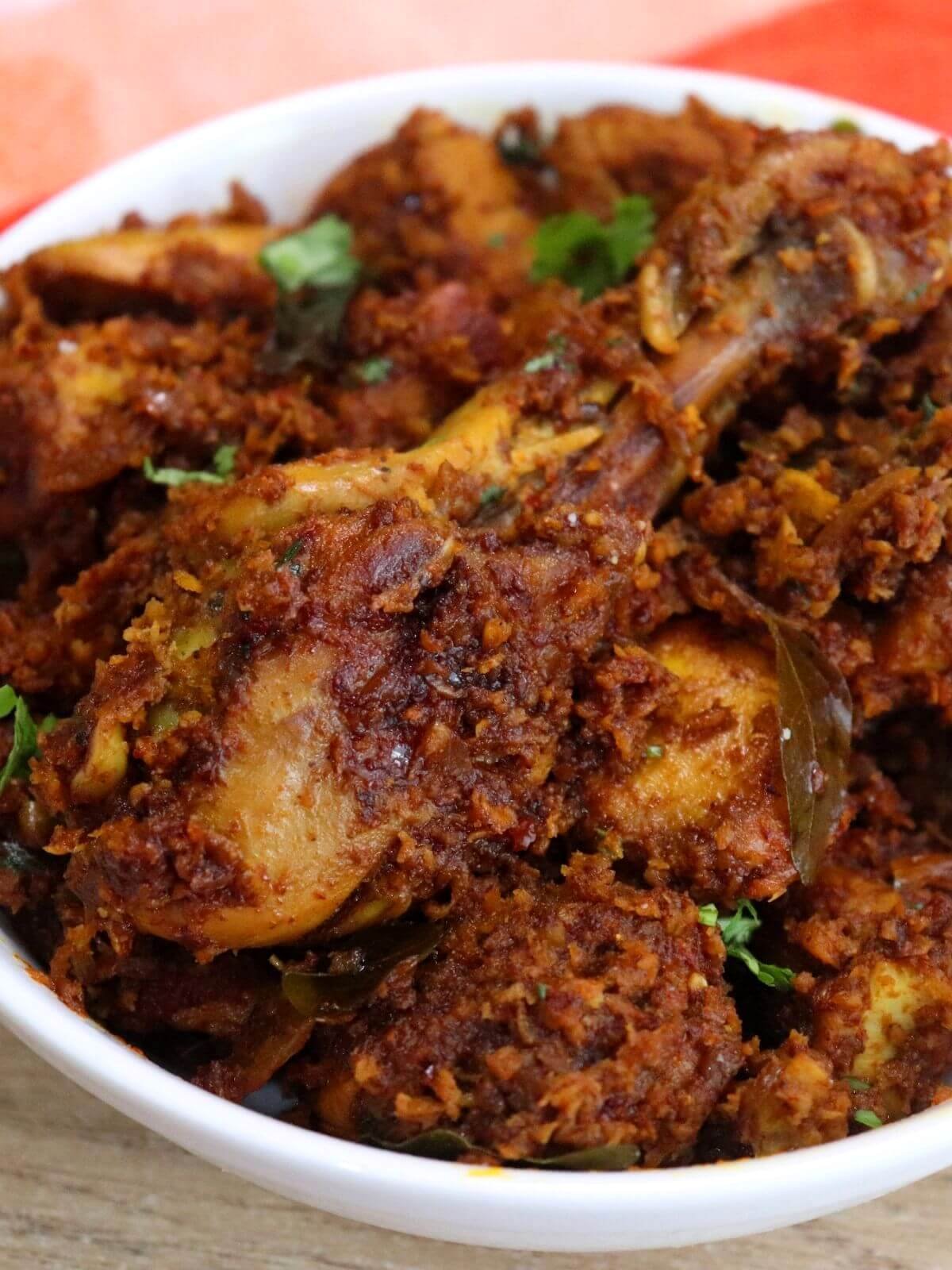
Recipe For Chicken Sukka: Easy Coastal Recipe
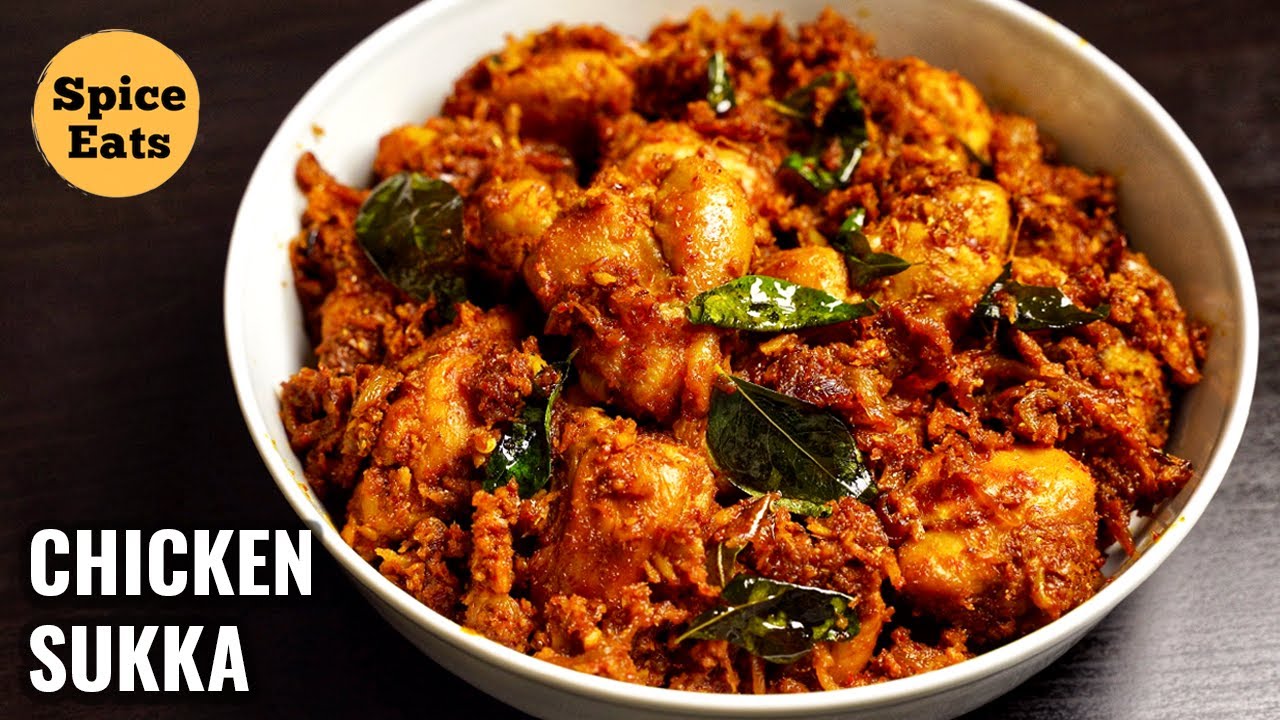
Chicken sukka is a dry, spicy Indian dish made with tender chicken, toasted spices, coconut, onions, and curry leaves.
This recipe for chicken sukka brings together bold coastal flavors with a rich masala that clings to every piece of chicken. I have tested this style with both bone-in and boneless chicken, and the key is simple: toast the spices well, cook the chicken gently, and finish with fresh coconut and curry leaves. Read on for clear steps, cooking tips, serving ideas, and common mistakes to avoid.
What Is Chicken Sukka?
Chicken sukka, also called chicken sukha or chicken sukka masala, is a popular dry chicken dish from the coastal regions of India. It is closely linked with Mangalorean, Konkani, and South Indian cooking. The word “sukka” refers to a dish with very little gravy.
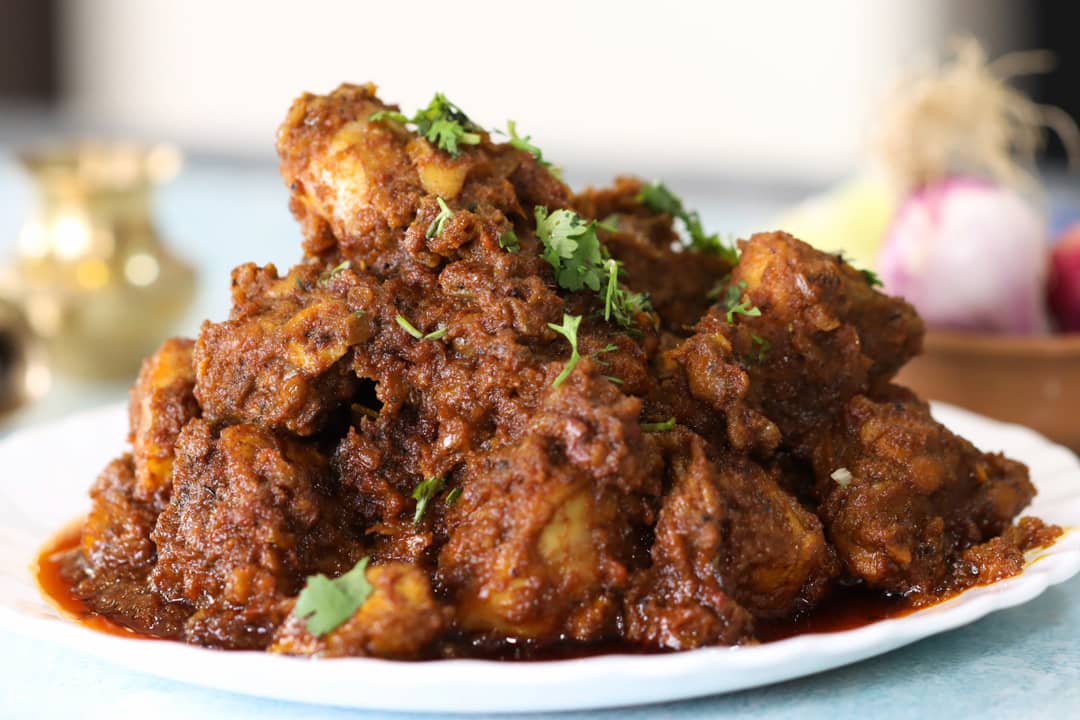
Unlike a curry, this dish has a thick, roasted masala that coats the chicken. Coconut, dried red chilies, coriander, cumin, cinnamon, cloves, and curry leaves create its deep flavor. The result is spicy, earthy, fragrant, and slightly nutty.
The heat can vary. You can use mild dried chilies for color or hot chilies for a stronger kick. Fresh coconut gives the dish a soft texture, while desiccated coconut creates a drier and more toasted finish.

Why This Recipe for Chicken Sukka Works
This recipe for chicken sukka uses a few important cooking ideas that make the final dish taste balanced.
- Toasted spices add a warm, deep aroma.
- Onions provide sweetness and body.
- Coconut softens the chili heat and adds richness.
- Bone-in chicken stays moist and gives the masala more flavor.
- Slow cooking helps the spices cling to the chicken.
- A final roast removes excess moisture and creates the classic dry texture.
A common mistake is adding too much water. Chicken releases its own juices as it cooks, especially when covered. Start with little or no water, then add a small amount only if the pan becomes dry before the chicken is cooked.
In my kitchen tests, the best result came from cooking the chicken covered until tender and then uncovering it for the final few minutes. This two-step method keeps the meat juicy while still giving the masala a proper roasted finish.
Chicken Sukka
A spicy dry chicken dish from the coastal regions of India, featuring roasted spices, fresh coconut, and tender chicken simmered to perfection.
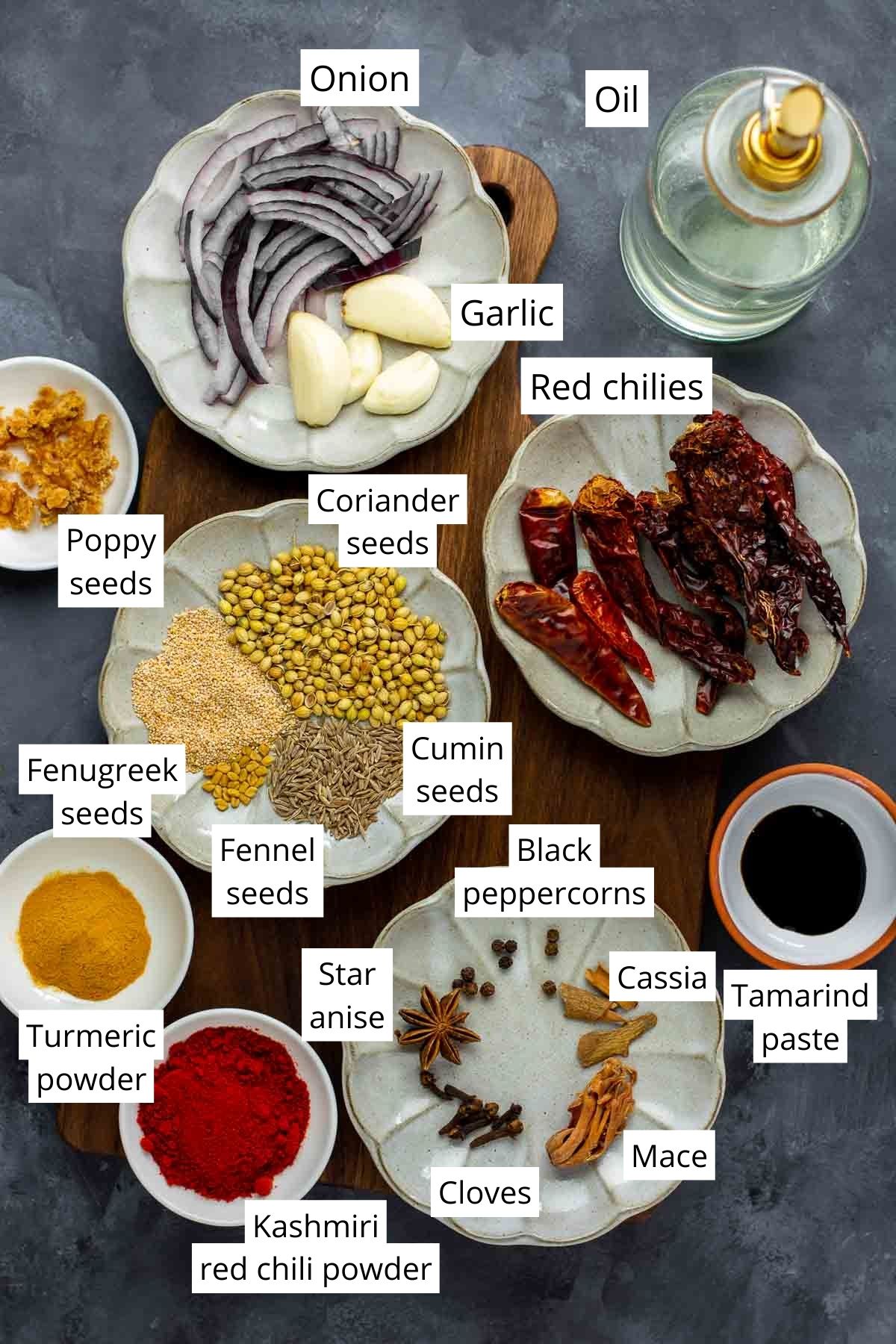
Ingredients
Instructions
- In a bowl, marinate the chicken pieces with turmeric, salt, and lemon juice. Let it rest for at least 20 minutes.
- In a dry skillet over medium-low heat, toast the dried red chilies, coriander seeds, cumin seeds, fennel seeds, black peppercorns, cinnamon stick, cloves, and cardamom pods for 2 to 3 minutes until fragrant, stirring often. Be careful not to let them burn.
- Add the grated coconut to the toasted spices and roast for another 2 minutes, stirring continuously until lightly golden. Let cool, then grind into a coarse paste with a splash of water.
- In a large heavy pan, heat the cooking oil over medium heat. Add the sliced onion and sauté until soft and golden.
- Stir in the minced garlic, ginger, and curry leaves, cooking for about 1 minute until fragrant. Add the ground masala paste and turmeric, frying for 2 to 3 minutes to enhance the flavors.
- Add the marinated chicken to the pan, stirring well to coat. Cook uncovered for 5 minutes until the chicken starts to release moisture, adding ¼ cup water if the mixture is dry.
- Cover the pan and reduce the heat to low, cooking for 20 to 30 minutes or until the chicken is tender and reaches an internal temperature of 165°F, stirring every 7 to 8 minutes.
- Remove the lid and increase the heat to medium, cooking for an additional 5 to 8 minutes until the sauce thickens and clings to the chicken. The final dish should be moist but not soupy.
- Turn off the heat, add chopped cilantro and lemon juice if using, and let the dish rest for 5 minutes before serving.
Notes
- For best results, use bone-in chicken, such as thighs or drumsticks, for moisture and flavor.
- Fresh coconut is preferred; if using frozen, ensure it is thawed beforehand.
- Adjust the number of dried red chilies to control heat level based on personal preference.
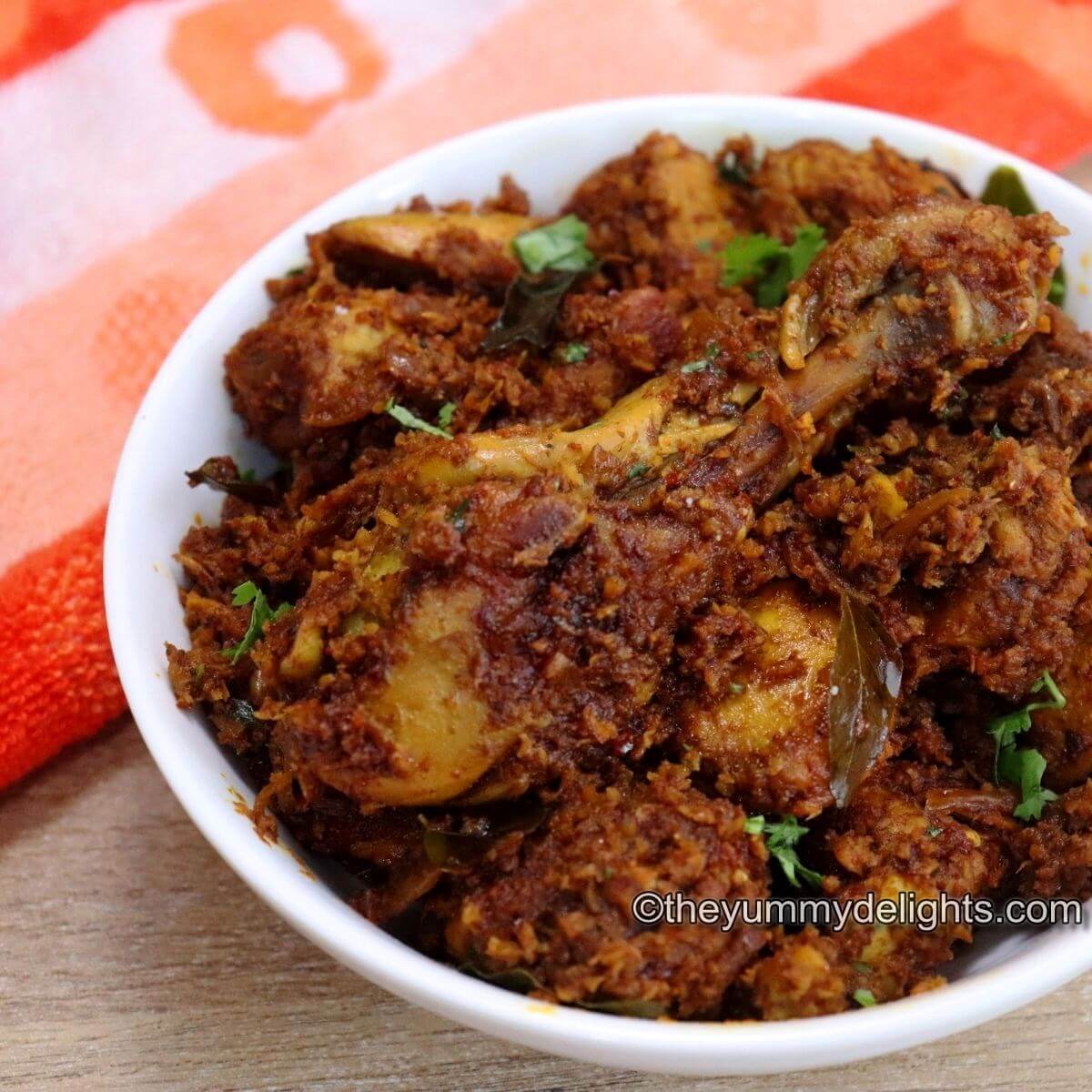
Cooking Tips for Better Chicken Sukka
Small details can make a major difference in this recipe for chicken sukka.
- Use a wide pan so the chicken roasts instead of steaming.
- Keep the heat moderate while toasting spices.
- Do not rush the onions. Pale onions create a flatter flavor.
- Use bone-in chicken when possible for better moisture and taste.
- Add water in small amounts. You can always add more, but you cannot easily remove it.
- Taste the masala before adding extra salt.
- Let the cooked dish rest for a few minutes so the flavors settle.
- Add cilantro at the end to keep its fresh flavor.
One lesson I learned while testing this dish is that coconut can burn quickly after it is added to hot spices. Lower the heat and stir constantly during this stage. If the coconut turns dark brown too soon, start again because the bitter flavor is difficult to hide.
Another useful tip is to cut the chicken into similar-sized pieces. Small pieces may dry out before large pieces are done. Even cuts help the whole pan cook at the same pace.
Variations of Chicken Sukka
There is no single universal version of this dish. Families often adjust the spice blend, coconut, and cooking method.
Mangalorean chicken sukka
This version often includes roasted coconut, dried red chilies, coriander, cumin, and curry leaves. It is deeply aromatic and may use a traditional spice blend similar to a coastal masala.
Konkani-style chicken sukka
Konkani versions may have a stronger coconut flavor and a bright chili taste. Some cooks add tamarind or a little vinegar for gentle sourness.
Boneless chicken sukka
Boneless thighs are a practical choice for weeknight meals. Cook them for about 15 to 20 minutes, then roast the masala briefly so the meat stays tender.
Instant Pot chicken sukka
You can pressure cook the chicken with the masala and a small amount of water. After pressure cooking, use the sauté setting to reduce the liquid and roast the mixture.
Mild chicken sukka
Use fewer dried chilies and remove their seeds. Add extra coconut or a spoonful of plain yogurt to soften the heat. Do not add yogurt directly to a very hot pan, or it may split.
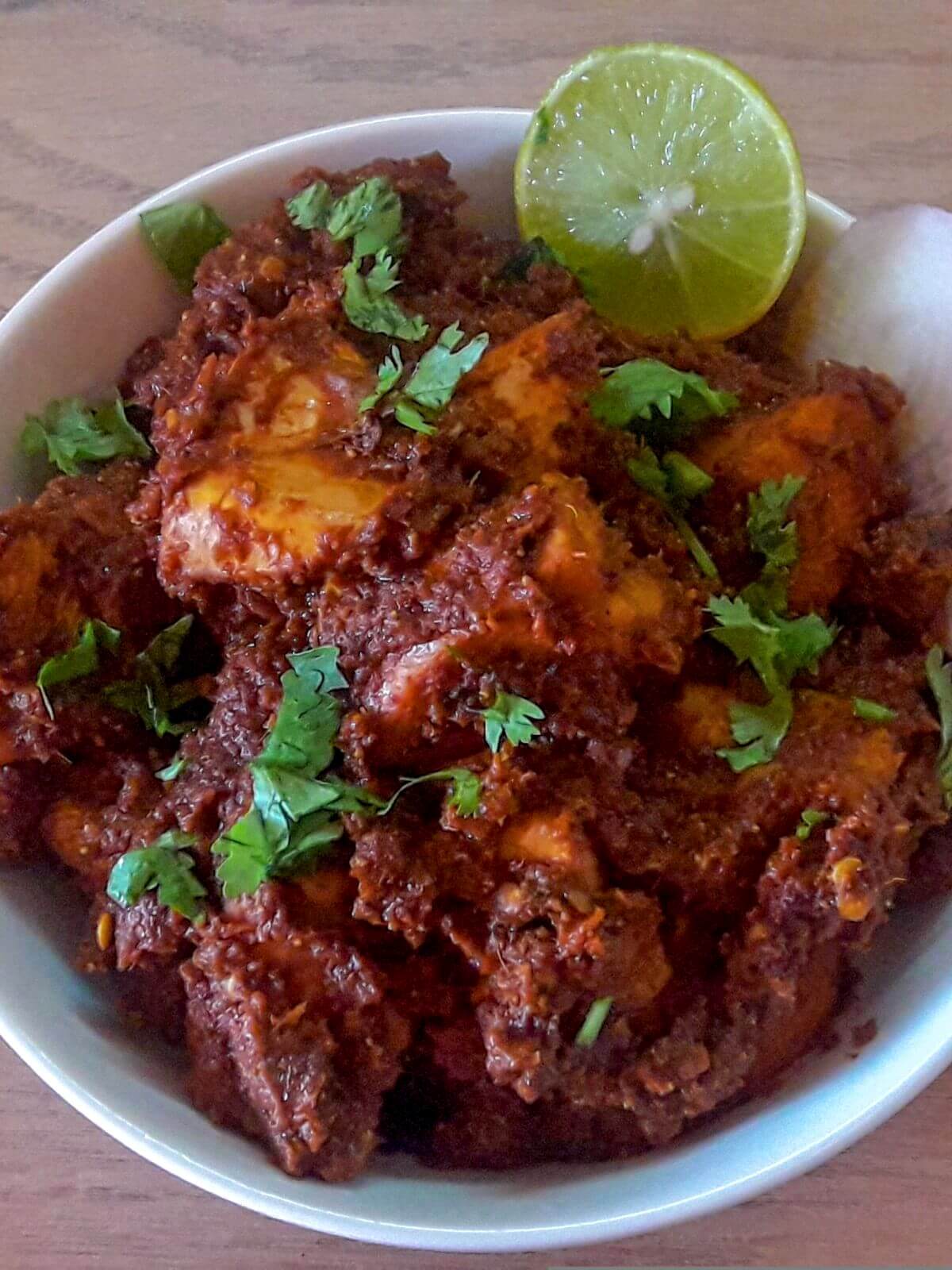
What to Serve With Chicken Sukka
The dry texture makes this dish easy to pair with both rice and bread. Good serving choices include:
- Steamed basmati rice
- Neer dosa
- Plain dosa
- Appam
- Chapati
- Paratha
- Malabar parotta
- Cucumber salad
- Plain yogurt or raita
- Lemon wedges and sliced onions
For a traditional coastal-style meal, serve chicken sukka with rice, dal, a light vegetable side, and a crisp salad. The mild sides balance the heat of the masala.
This dish also works well as a party starter. Serve smaller portions with toasted bread or flatbread. The dry masala makes it less messy than a thin curry and easy to share.
Food Safety and Storage
Raw chicken should be handled carefully. Wash your hands after touching it, and use a separate cutting board if possible. Cook chicken until the thickest piece reaches 165°F, measured with a food thermometer.
Store leftovers in a shallow, covered container and refrigerate them within two hours. Eat them within 3 to 4 days. Reheat until the chicken is hot throughout.
You can freeze chicken sukka for up to 2 to 3 months. Let it cool, pack it in an airtight container, and thaw it in the refrigerator before reheating. Add a tablespoon of water while reheating if the masala seems dry.
The texture may become slightly softer after freezing. The flavor often remains excellent because the spices have more time to blend.

Common Mistakes to Avoid
A few errors can turn a flavorful dish into a dry or bitter one.
Burning the spices
High heat can burn chilies and coconut in seconds. Roast slowly and stir often.
Adding too much water
Too much water turns a dry masala into a thin curry. Begin with the moisture released by the chicken.
Overcooking boneless chicken
Boneless breast meat becomes tough when cooked too long. Use thighs or shorten the cooking time.
Skipping the final roast
Covered cooking makes the chicken tender, but the final uncovered stage creates the classic sukka texture. Do not skip it.
Using sweetened coconut
Sweetened coconut is meant for baking. It can make the dish taste oddly sweet.
Grinding the masala too smooth
A coarse masala gives a rustic texture and clings well to the chicken. Avoid turning it into a watery puree.
Nutrition and Portion Notes
The nutrition of this recipe for chicken sukka depends on the cut of chicken, the amount of oil, and the quantity of coconut used. Bone-in chicken with moderate oil can fit well into a balanced meal, especially when served with vegetables and a reasonable portion of rice.
Coconut adds fat and calories, but it also gives the dish its signature texture and flavor. You can reduce the coconut slightly, though the masala may be less rich.
For a lighter version, use skinless chicken, reduce the oil, and serve the dish with vegetables or a small portion of rice. Avoid removing all the oil because a little fat helps carry the flavor of the toasted spices.
Frequently Asked Questions About Recipe for Chicken Sukka
What does chicken sukka mean?
Chicken sukka means a dry or semi-dry chicken preparation. It has little sauce and uses a thick masala made with spices, onions, coconut, and curry leaves.
Can I make chicken sukka without coconut?
Yes, but the flavor and texture will change. You can replace coconut with extra onion, ground cashews, or a small amount of almond meal, though coconut gives the most traditional result.
Is chicken sukka very spicy?
It can be mild, medium, or hot. Reduce the dried chilies for a gentler dish, and choose mild chilies when you want color without too much heat.
Can I use boneless chicken for this recipe?
Yes. Boneless chicken thighs are the best option because they stay moist. Cook them for less time than bone-in chicken and watch the pan closely during the final roast.
How do I thicken chicken sukka?
Cook it uncovered over medium heat until the extra liquid evaporates. Stir often so the coconut and spices do not stick or burn.
How long does chicken sukka last in the refrigerator?
Properly stored chicken sukka lasts 3 to 4 days in the refrigerator. Reheat it until steaming hot, and add a small splash of water if the masala has become too dry.
Can I prepare the masala ahead of time?
Yes. The roasted coconut masala can be prepared a day ahead and stored in the refrigerator. Bring it close to room temperature before cooking so it blends more easily with the chicken.
Conclusion
A successful recipe for chicken sukka depends on patient spice roasting, well-cooked onions, tender chicken, and a final dry roast. Use bone-in chicken for the best texture, add water sparingly, and adjust the chilies to suit your taste.
This flavorful dish is simple enough for a weeknight meal but special enough for guests. Try the recipe, serve it with rice or dosa, and share your favorite variation in the comments.