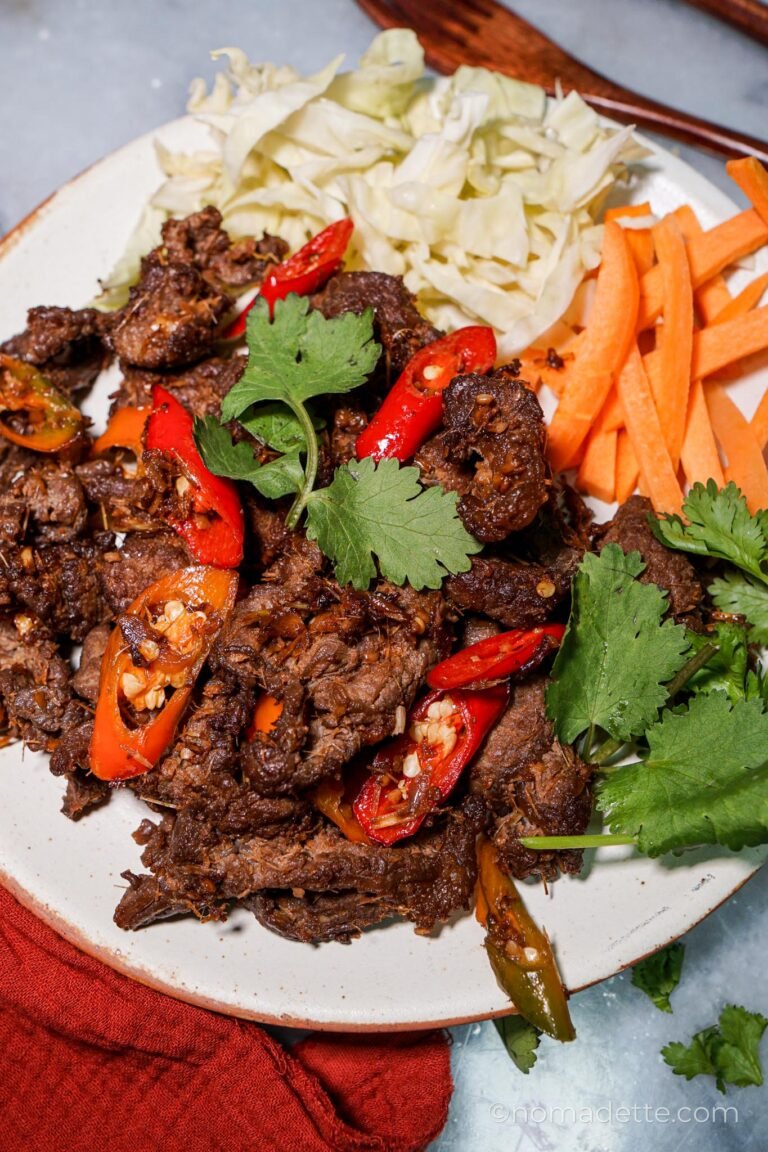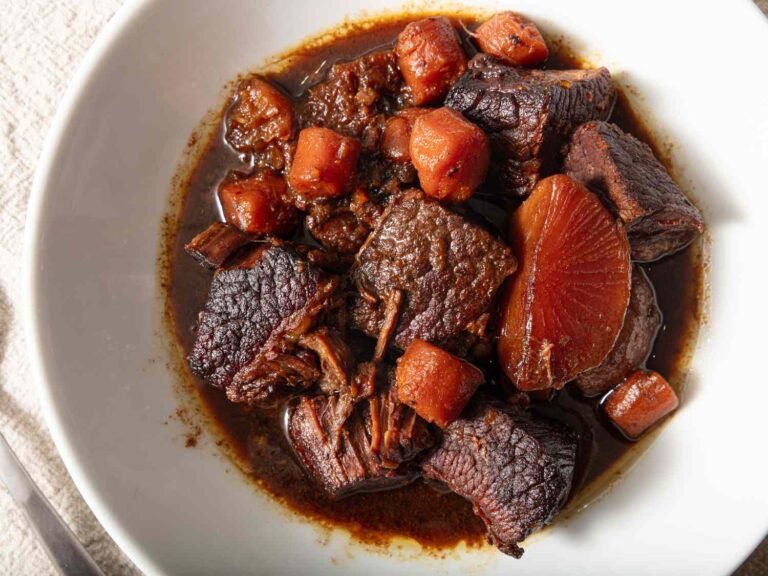
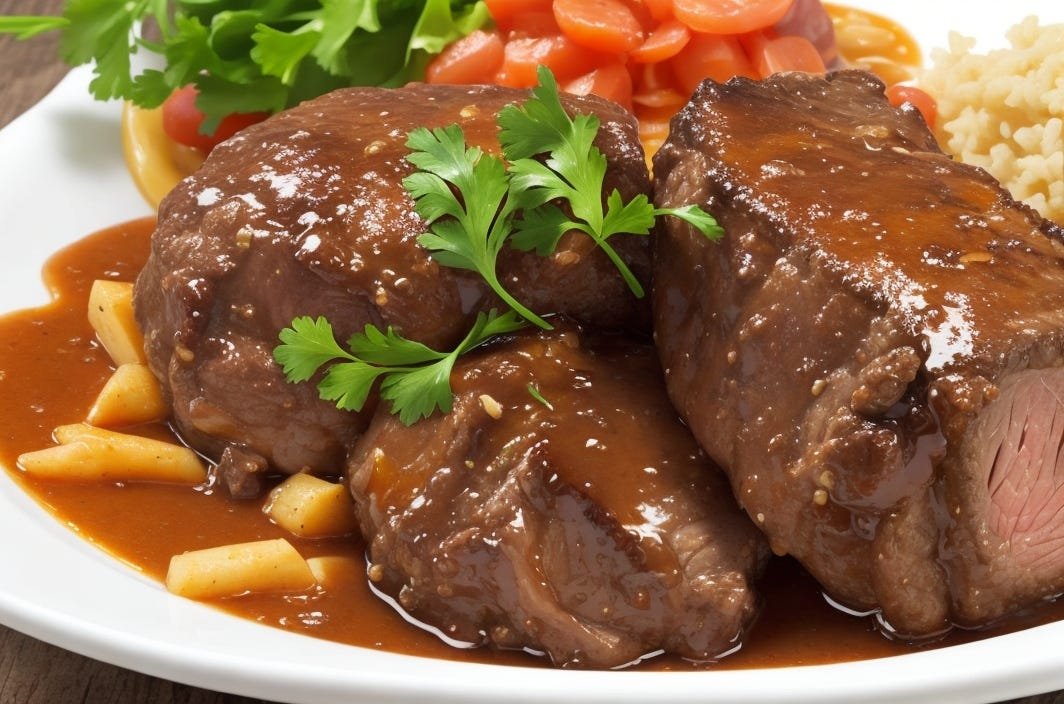
Beef Knuckle Recipes: Hearty And Flavorful Ideas
Beef knuckle recipes turn this lean, tough cut into tender roasts, soups, braises, and rich shredded beef.
Beef knuckle comes from the hind leg, so it has little fat but plenty of firm muscle and connective tissue. That makes it a poor choice for fast cooking, yet an excellent choice for slow, moist recipes. With the right method, beef knuckle recipes can deliver deep flavor, tender meat, and a useful broth without a costly cut of beef.
This guide explains how to choose, season, cook, and serve beef knuckle. It also shares tested methods, common mistakes, food safety tips, and several practical recipes for the oven, slow cooker, pressure cooker, and stovetop.

What Is Beef Knuckle?
Beef knuckle is a lean cut from the round primal on the rear leg of the animal. It may also be sold as knuckle roast, sirloin tip knuckle, round knuckle, or peeled knuckle, depending on the butcher and region.
The name can cause some confusion. Beef knuckle is not the same as a beef shank, although both come from the leg area. A shank contains more bone, marrow, and tough tendon. A knuckle is usually boneless and contains lean muscles separated by connective tissue.
This cut has three main traits:
• It is lean, with less internal fat than chuck roast.
• It has strong beef flavor when browned well.
• It needs gentle, slow cooking to become tender.
The best beef knuckle recipes use moisture and time. Think of the cut as a tightly closed door. Low heat slowly opens it, allowing collagen to soften and the meat to relax.

How to Choose and Prepare Beef Knuckle
Look for a beef knuckle with a deep red color, firm texture, and little excess liquid in the package. A thin outer layer of fat is fine, but large patches of hard silver skin should be trimmed.
Ask your butcher whether the cut is peeled. A peeled knuckle has most of its outer connective tissue removed, which saves preparation time. Still, inspect the meat at home because thick silver skin can remain between the muscle sections.
Before cooking, follow these steps:
Pat the beef dry with paper towels. Dry meat browns better than damp meat.
Trim thick silver skin and hard surface fat. Leave small areas of soft fat for flavor.
Cut the roast into large chunks if you are making soup, stew, or pressure cooker beef.
Season at least 30 minutes before cooking. For the best flavor, season it several hours ahead and refrigerate it uncovered.
Let the meat sit at room temperature for about 20 to 30 minutes before searing.
One lesson I learned while testing beef knuckle recipes is that trimming matters more than many people expect. A thick strip of silver skin will stay chewy, even after hours in a flavorful sauce. Removing it first gives the finished dish a much better texture.
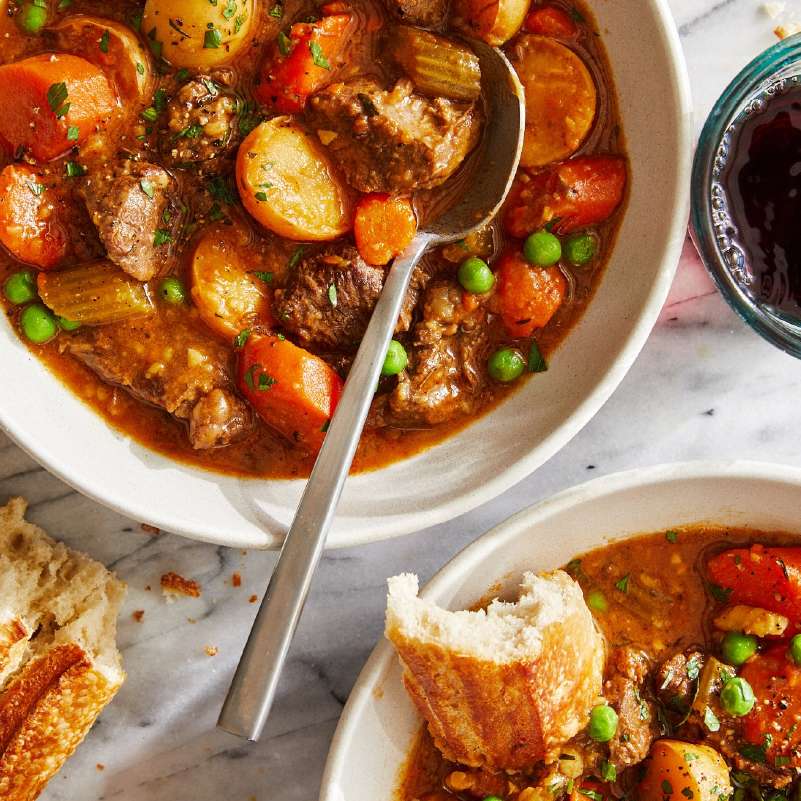
Classic Braised Beef Knuckle
A tender and flavorful braised beef knuckle roast, slow-cooked with vegetables and aromatic herbs in a rich sauce, perfect for a hearty Sunday meal.
Ingredients
Instructions
- Preheat the oven to 325°F (165°C).
- Pat the beef knuckle roast dry with paper towels and season it with kosher salt and black pepper.
- In a large Dutch oven, heat olive oil over medium-high heat. Brown the beef knuckle roast on all sides, about 3-4 minutes per side. Work in batches if necessary. Transfer the browned beef to a plate.
- Add the chopped onion, sliced carrots, and sliced celery to the same pot. Cook for 5-7 minutes until softened.
- Stir in the minced garlic and tomato paste, cooking for an additional minute until fragrant.
- Pour in the dry red wine (or extra beef stock) and scrape the bottom of the pot to deglaze. Let it simmer for 2 minutes to reduce slightly.
- Add the low-sodium beef stock, Worcestershire sauce, bay leaves, and dried thyme. Stir well.
- Return the beef knuckle roast to the pot, ensuring the liquid reaches halfway up the roast.
- Cover the pot with a lid and bake in the preheated oven for 3 to 4 hours, turning the beef once or twice during cooking. The beef is done when it is tender and easily pulls apart with a fork.
- If desired, remove the lid during the last 20 minutes of cooking to thicken the sauce.
- Once cooked, remove the beef from the pot and let it rest for 15 minutes before slicing or shredding. Spoon off excess fat from the sauce before serving.
- Serve the braised beef with mashed potatoes, rice, egg noodles, or crusty bread.
Notes
- For a thicker sauce, remove the beef and simmer the sauce on the stovetop until reduced to your liking before serving.
- This dish can also be made in a slow cooker; just follow the slow cooker method provided in the article for convenience.
The Best Cooking Methods for Beef Knuckle
The best cooking method depends on how you want to serve the beef. A whole knuckle can be braised or roasted, while chunks work well in soup, stew, and pressure cooker recipes.
Slow braising
Braising is the most reliable method for tender beef knuckle. First, brown the meat. Then cook it in a covered pot with stock, wine, tomatoes, or another flavorful liquid.
Use a low oven temperature of about 300°F to 325°F. The beef is ready when a fork slides into it with little resistance. This often takes three to four hours for a large roast.
Slow cooking
A slow cooker works well when you want a hands-off meal. Cook the beef on low rather than high when possible. Low heat gives connective tissue more time to soften and helps prevent dry edges.
Do not drown the meat in liquid. The beef will release some moisture as it cooks. Liquid should usually reach about one-third to one-half of the way up the meat.
Pressure cooking
A pressure cooker cuts the cooking time and produces tender beef with a rich sauce. Brown the meat first, then add liquid and scrape the browned bits from the pot.
Allow the pressure to release naturally for at least 15 minutes. A fast release can make the meat tighten and lose moisture.
Simmering
Small pieces of beef knuckle are ideal for soup and stew. Keep the liquid at a gentle simmer, not a hard boil. Strong boiling can make the meat stringy and the broth cloudy.
How to Keep Beef Knuckle Tender and Juicy
Because beef knuckle is lean, it can dry out if cooked like a fatty chuck roast. The key is to create a moist cooking environment and stop judging doneness by time alone.
Use these practical rules:
• Brown the meat before braising when possible.
• Keep the pot covered during most of the cooking time.
• Use low to moderate heat.
• Cook until fork-tender, not merely until the timer rings.
• Rest the meat before slicing.
• Slice across the grain for the most tender bite.
• Add salt early enough for it to move into the meat.
• Avoid cutting the roast into small pieces before a long braise, as small pieces can dry out.
A meat thermometer helps, but tenderness is the final test for braised beef. For food safety, whole beef roasts should reach at least 145°F and rest for three minutes under standard U.S. food safety guidance. Tough braised cuts often go well beyond that temperature as collagen breaks down, so temperature alone does not tell you when the meat is tender.
Common Mistakes to Avoid
Even well-planned beef knuckle recipes can fail when a few small details are missed.
Skipping the sear
Searing does not seal in juices, but it does create browned flavors through the Maillard reaction. Those browned bits become part of the sauce.
Cooking at a hard boil
A violent boil can tighten muscle fibers and make the broth cloudy. Keep the liquid at a calm simmer.
Using too little cooking time
Beef knuckle may feel tough halfway through cooking. That does not mean it is overcooked. It may simply need more time for collagen to soften.
Slicing with the grain
Long muscle fibers feel chewy when you cut along them. Find the direction of the fibers and slice across them.
Adding vegetables too early
Carrots and potatoes can turn soft before the beef is ready. Add them later if you want them to hold their shape.
Serving immediately
Resting gives the juices time to settle. Ten to 20 minutes can make a clear difference, especially with a whole roast.
What to Serve With Beef Knuckle
The rich sauce from beef knuckle recipes pairs well with foods that can absorb flavor. Choose a simple side so the beef remains the main focus.
Good options include:
• Mashed potatoes
• Buttered egg noodles
• Creamy polenta
• Steamed rice
• Roasted root vegetables
• Crusty sourdough bread
• Braised cabbage
• Green beans with lemon
• Fresh salad with a sharp vinaigrette
For shredded beef, use bright toppings. Pickled onions, lime, cilantro, salsa, cabbage, and yogurt can balance the deep flavor of the meat.
Frequently Asked Questions About Beef Knuckle Recipes
Is beef knuckle good for slow cooking?
Yes. Beef knuckle is lean and firm, but slow cooking softens its connective tissue. Braising, slow cooking, and pressure cooking are better choices than quick grilling.
What is the best way to cook beef knuckle?
Low and slow braising is the most dependable method. Cook the beef in a covered pot with flavorful liquid until a fork slides into it easily.
Can I cook beef knuckle in a slow cooker?
Yes. Sear the beef first if possible, then cook it with a small amount of stock and seasonings on low for seven to nine hours. The meat is ready when it pulls apart easily.
Is beef knuckle the same as beef shank?
No. Both cuts come from the leg area, but beef knuckle is usually boneless and leaner. Beef shank often contains bone, marrow, and more dense connective tissue.
Why is my beef knuckle still tough?
It probably needs more cooking time. Toughness often appears before collagen fully softens, so continue cooking gently and check it every 30 minutes.
Can I roast beef knuckle like a regular roast?
You can, but a dry roast method may produce chewy or dry meat because the cut is lean. If roasting, use a covered pot with some liquid or choose a low-temperature method and slice the beef very thinly.
How do I make beef knuckle tender without a slow cooker?
Use a Dutch oven, covered roasting pan, or pressure cooker. A gentle stovetop simmer also works, as long as the beef stays partly covered with liquid.
Conclusion
Beef knuckle recipes work best when they respect the nature of the cut. This lean beef needs browning, moisture, gentle heat, and enough time for connective tissue to soften. Braising, slow cooking, pressure cooking, and simmering can all produce tender results.
Start with the classic braised version, then try shredded beef tacos or a hearty vegetable soup. Trim the silver skin, avoid a hard boil, and trust fork tenderness more than the clock. Try one of these beef knuckle recipes this week, and share your favorite serving idea or cooking tip in the comments.