Recipes With Chicken Tenders And Pasta: Easy Dinner Ideas
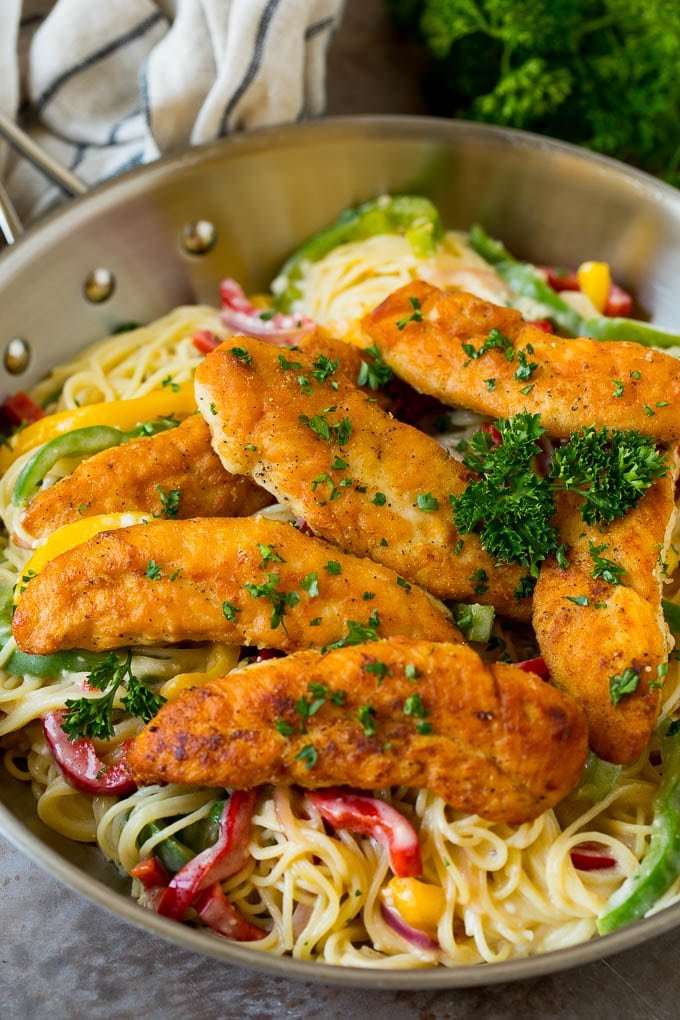
Chicken tenders and pasta make fast, comforting meals with crisp texture, creamy sauce, and family-friendly flavor.
Recipes with chicken tenders and pasta are ideal for busy nights because they use simple foods in flexible ways. Chicken tenders cook quickly, while pasta adds comfort and helps stretch a small amount of meat into a filling meal.
The best recipes balance three things: juicy chicken, well-seasoned sauce, and pasta cooked just until tender. This guide shares tested cooking methods, easy flavor ideas, food safety tips, and several recipes with chicken tenders and pasta that work for weeknight dinners, meal prep, and casual entertaining.
Why chicken tenders and pasta work so well
Chicken tenders are small strips of white meat found beneath the chicken breast. They are naturally tender and cook faster than thick chicken breasts. Their mild flavor also works with tomato sauce, Alfredo sauce, pesto, garlic butter, cheese, and spicy seasonings.
Pasta provides a soft, hearty base for the meal. It also absorbs sauce well, which helps every bite taste balanced. Together, chicken tenders and pasta create a dish that feels special without requiring advanced cooking skills.
The best recipes with chicken tenders and pasta also offer useful flexibility:
• Use penne, rotini, spaghetti, linguine, shells, or bow-tie pasta.
• Add vegetables such as spinach, broccoli, peas, mushrooms, or bell peppers.
• Choose a creamy, tomato-based, lemony, or oil-based sauce.
• Replace fresh chicken tenders with thawed frozen tenders when needed.
• Adjust the seasoning for children, guests, or a spicy adult meal.
In my own kitchen testing, the most common mistake is cooking the chicken and pasta without a clear plan. Pasta water may boil over while the chicken dries out in the pan. A simple order works better: season the chicken, start the pasta, cook the chicken, then finish the sauce with pasta water.
The best pasta and sauce combinations
Different pasta shapes suit different sauces. Long pasta works well with smooth sauces, while short pasta catches chunks of chicken and vegetables.
Here are useful pairings for recipes with chicken tenders and pasta:
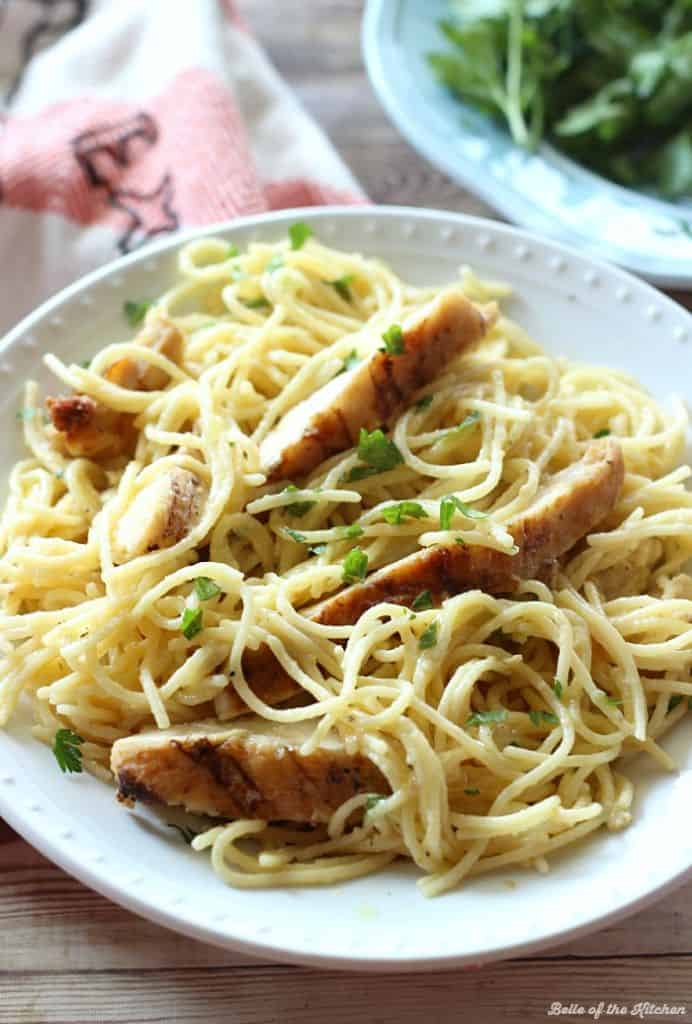
• Linguine with lemon garlic butter sauce
• Penne with marinara and mozzarella
• Rotini with pesto and cherry tomatoes
• Fettuccine with Alfredo sauce
• Shells with creamy spinach sauce
• Bow-tie pasta with chicken, peas, and Parmesan
Reserve about 1 cup of pasta water before draining. The starchy water can loosen thick sauce and help it cling to the noodles. Add it a few tablespoons at a time until the sauce looks smooth.
Avoid rinsing pasta for a warm pasta dinner. Rinsing removes surface starch, which helps the sauce stick. Rinse only when making a cold pasta salad.
Salt the pasta water well, but remember that sauces, cheese, broth, and seasoned chicken may also contain salt. Taste the complete dish before adding more.

Creamy Garlic Chicken Tender Pasta
A quick and easy recipe featuring tender chicken, pasta, and a smooth garlic cream sauce, perfect for busy weeknights.
Ingredients
Instructions
- Pat the chicken tenders dry with paper towels. Season both sides with salt, pepper, paprika, and Italian seasoning.
- Bring a large pot of salted water to a boil. Cook the penne or fettuccine until just tender according to package instructions. Reserve 1 cup of pasta water, then drain the pasta.
- Heat olive oil in a large skillet over medium heat. Add the seasoned chicken and cook for 3 to 5 minutes per side, until golden brown and cooked through (internal temperature should reach 165°F). Transfer the chicken to a plate and let it rest.
- Lower the heat to medium-low. In the same skillet, add butter and minced garlic. Cook for about 30 seconds until fragrant, being careful not to burn the garlic.
- Pour in the heavy cream and simmer gently for about 2 to 3 minutes, stirring occasionally.
- Stir in the grated Parmesan cheese. If the sauce appears too thick, add a splash of reserved pasta water until desired consistency is achieved.
- Add the cooked pasta and broccoli or spinach to the skillet. Toss everything together until the pasta is evenly coated with the creamy sauce.
- Slice the rested chicken into strips and place it over the pasta before serving.
Notes
- For a lighter meal, you may substitute half-and-half for the heavy cream.
- Add cooked vegetables like peas or bell peppers for extra nutrition and color.
- This dish can be reheated on the stovetop with a splash of cream or pasta water to keep it creamy.

Healthy ways to adjust these recipes
Recipes with chicken tenders and pasta can fit many eating styles without losing flavor. Small changes often work better than removing every rich ingredient.
Try these practical adjustments:
• Use whole-wheat pasta for more fiber and a firmer bite.
• Add broccoli, peas, mushrooms, zucchini, or spinach.
• Choose low-sodium broth and taste before salting.
• Replace part of the cream with milk or plain Greek yogurt.
• Use less cheese and add lemon, herbs, garlic, or black pepper.
• Grill or bake the chicken instead of breading it.
• Choose a tomato sauce when you want a lighter option.
• Serve a smaller pasta portion with a larger vegetable portion.
A balanced plate often includes protein, a carbohydrate, and vegetables. Chicken tenders provide protein, pasta provides energy, and vegetables add fiber, color, and texture.
Greek yogurt can make sauces creamy, but add it over low heat or after removing the pan from the burner. Boiling yogurt may cause curdling.

Common mistakes to avoid
Even simple recipes with chicken tenders and pasta can fail when timing and heat are off. These mistakes are easy to correct.
• Overcooking the chicken: Remove it as soon as it reaches 165°F.
• Crowding the skillet: Cook in batches if needed so the chicken browns.
• Skipping pasta water: Reserve it before draining to adjust sauce texture.
• Boiling cream too hard: Use gentle heat after adding dairy or cheese.
• Adding pesto too early: Stir it into warm pasta instead of cooking it for a long time.
• Using too much sauce: Start with less and add more as needed.
• Cutting chicken right away: Rest it briefly to keep it juicy.
• Forgetting to taste: Salt, lemon, herbs, and cheese should work together.
A useful kitchen habit is to prepare every ingredient before turning on the stove. This is called mise en place, and it prevents rushed cooking. I find it especially helpful when making one-pan pasta because the recipe moves quickly once the liquid begins to simmer.
How to store and reheat chicken pasta
Store leftover chicken pasta in a covered container in the refrigerator. Use it within 3 to 4 days for best quality and safety. Refrigerate leftovers within 2 hours of cooking, or within 1 hour if the room is above 90°F.
Cream sauces often thicken in the refrigerator. Reheat them gently in a skillet with a splash of milk, broth, or water. Stir often and stop heating once the food is hot.
For tomato-based pasta, add a tablespoon or two of water before reheating. Microwave in short intervals, stirring between each interval.
Keep crispy chicken separate when possible. Reheat it in an oven, toaster oven, or air fryer so the coating can regain some crunch. A microwave warms it quickly but usually makes the coating soft.
Freezing is possible, but creamy sauces may separate and pasta may become softer. Tomato-based chicken pasta generally freezes better. Thaw it in the refrigerator overnight and reheat it thoroughly.
Easy substitutions and flavor ideas
The same base recipe can take on different flavors with a few small changes. This makes recipes with chicken tenders and pasta useful when you need to cook from what is already in the pantry.
For an Italian-style dish, use basil, oregano, garlic, tomatoes, and Parmesan. For a Cajun-style version, add paprika, thyme, onion powder, and a little cayenne.
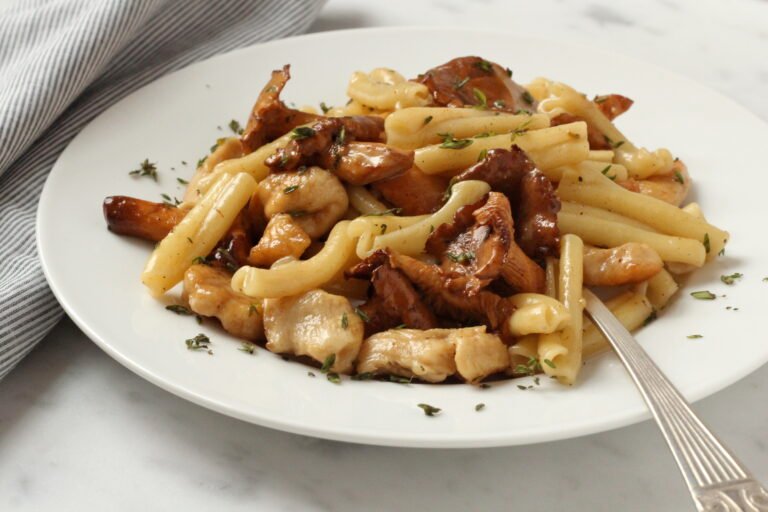
For a Mediterranean meal, use lemon, oregano, spinach, olives, and feta. For a creamy mushroom version, sauté sliced mushrooms before making the sauce.
Useful substitutions include:
• Chicken tenders for sliced chicken breast
• Penne for rotini or shells
• Parmesan for Pecorino Romano
• Spinach for kale or arugula
• Broccoli for asparagus or green beans
• Heavy cream for evaporated milk
• Marinara for crushed tomatoes with herbs
• Fresh garlic for garlic powder when necessary
When using frozen vegetables, add them near the end so they do not release too much water. When using fresh vegetables, sauté firm vegetables before adding delicate greens.
Frequently asked questions about recipes with chicken tenders and pasta
Can I use frozen chicken tenders in pasta recipes?
Yes, but thaw them safely in the refrigerator before cooking for the most even results. If using precooked frozen chicken tenders, warm them separately and add them near the end so they do not become dry.
What pasta goes best with chicken tenders?
Penne, rotini, spaghetti, linguine, and fettuccine all work well. Choose short pasta for chunky sauces and long pasta for smooth cream, butter, or lemon sauces.
How do I keep chicken tenders moist?
Avoid cooking them longer than needed, and check the thickest part with a thermometer. Rest the cooked chicken for a few minutes before slicing, then serve it with sauce.
Can I make chicken tender pasta ahead of time?
Yes, especially tomato-based versions. Store the pasta and chicken in the refrigerator, then reheat gently with a splash of water or broth to restore moisture.
How can I make chicken tender pasta without cream?
Use marinara, pesto, lemon butter, olive oil, or broth-based sauce. Pasta water can help create a smooth coating without adding heavy cream.
Is chicken tender pasta safe for meal prep?
It can be safe when cooked chicken reaches 165°F, refrigerated within the recommended time, and eaten within 3 to 4 days. Reheat leftovers until steaming hot throughout.
Conclusion
Recipes with chicken tenders and pasta are quick, flexible, and easy to customize. The key is simple: cook the chicken to 165°F, save some pasta water, match the pasta shape to the sauce, and avoid overcooking.
Start with creamy garlic pasta, lemon butter pasta, marinara pasta, pesto pasta, or a one-pot tomato version. Add vegetables, change the seasonings, and use the method that best fits your schedule. Try one of these recipes with chicken tenders and pasta tonight, then share your favorite combination in the comments.