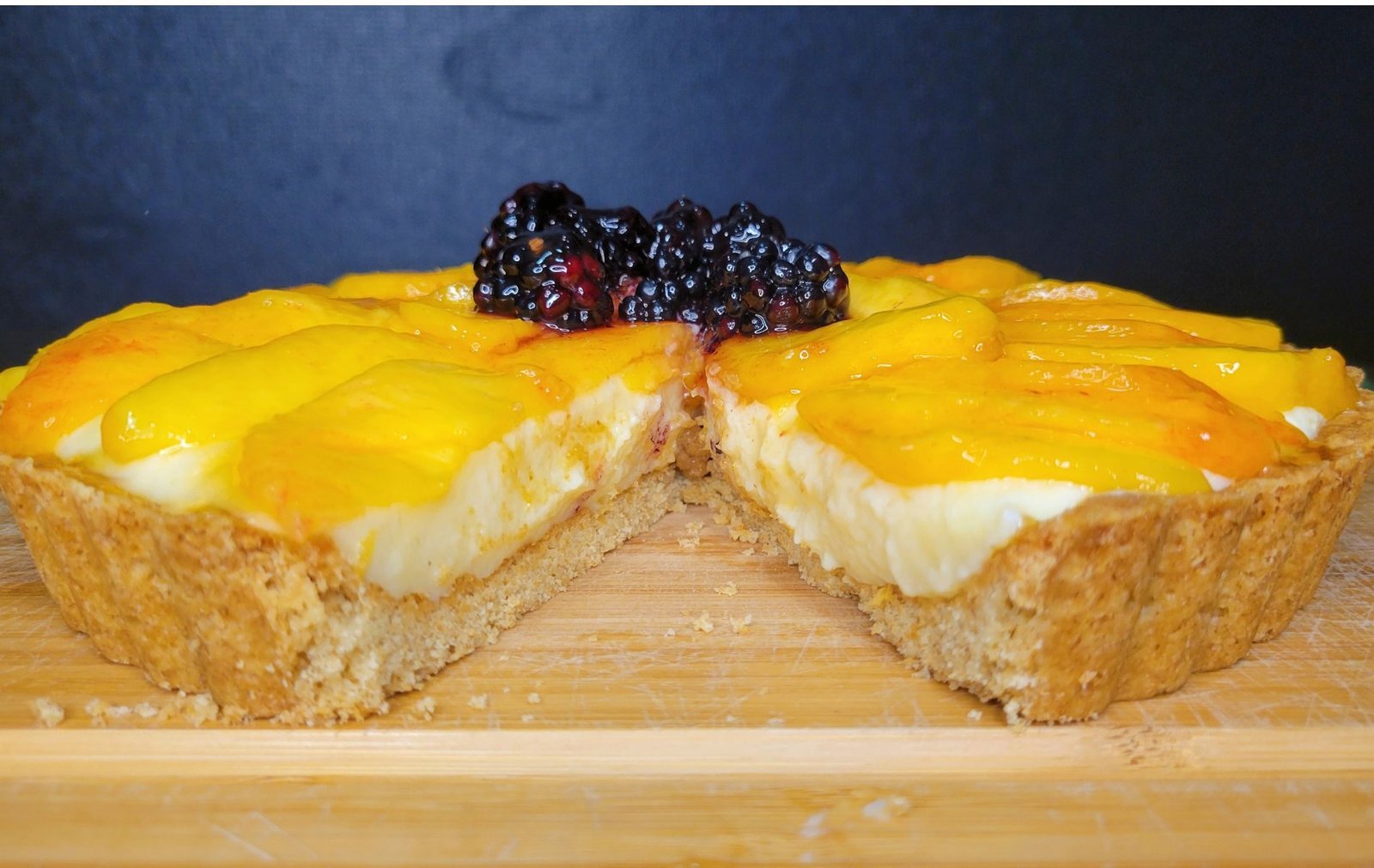
Fresh Milled Flour Cake Recipe: Easy Homemade Treat
A fresh milled flour cake recipe makes a tender, nutty cake with better flavor and wholesome grain goodness.
Freshly milled flour brings a warm wheat aroma, soft texture, and rich flavor that packaged flour often cannot match. After testing this fresh milled flour cake recipe in a home kitchen, I found that the key is balancing the flour’s natural thirst with enough moisture, gentle mixing, and a short rest before baking. This guide explains each step, common mistakes, easy swaps, and the small details that turn whole grains into a light, lovely cake.

Why Fresh Milled Flour Makes a Better Cake
Fresh milled flour is made by grinding whole wheat berries shortly before baking. It contains the bran, germ, and endosperm, so it offers more flavor and nutrients than refined white flour. The result is a cake with a mild nutty taste and a soft, rustic crumb.
The flavor can vary based on the grain you use. Hard white wheat gives a mild taste and lighter color, while soft white wheat makes a tender cake with a gentle sweetness. Hard red wheat creates a deeper wheat flavor and a darker crumb.
A fresh milled flour cake recipe also gives you control over the grain. You can choose organic wheat berries, mill only what you need, and adjust the grind for the cake you want. Still, fresh flour is not automatically easier to use. The bran absorbs liquid, and the germ contains natural oils that can affect freshness and storage.
Fresh flour works best when:
• The wheat berries are dry and clean
• The flour is milled finely
• The batter gets enough liquid
• The cake is not overmixed
• The flour is used soon after milling
Think of fresh flour as a thirsty sponge. It needs time to absorb milk, eggs, and butter before the batter reaches its best texture.
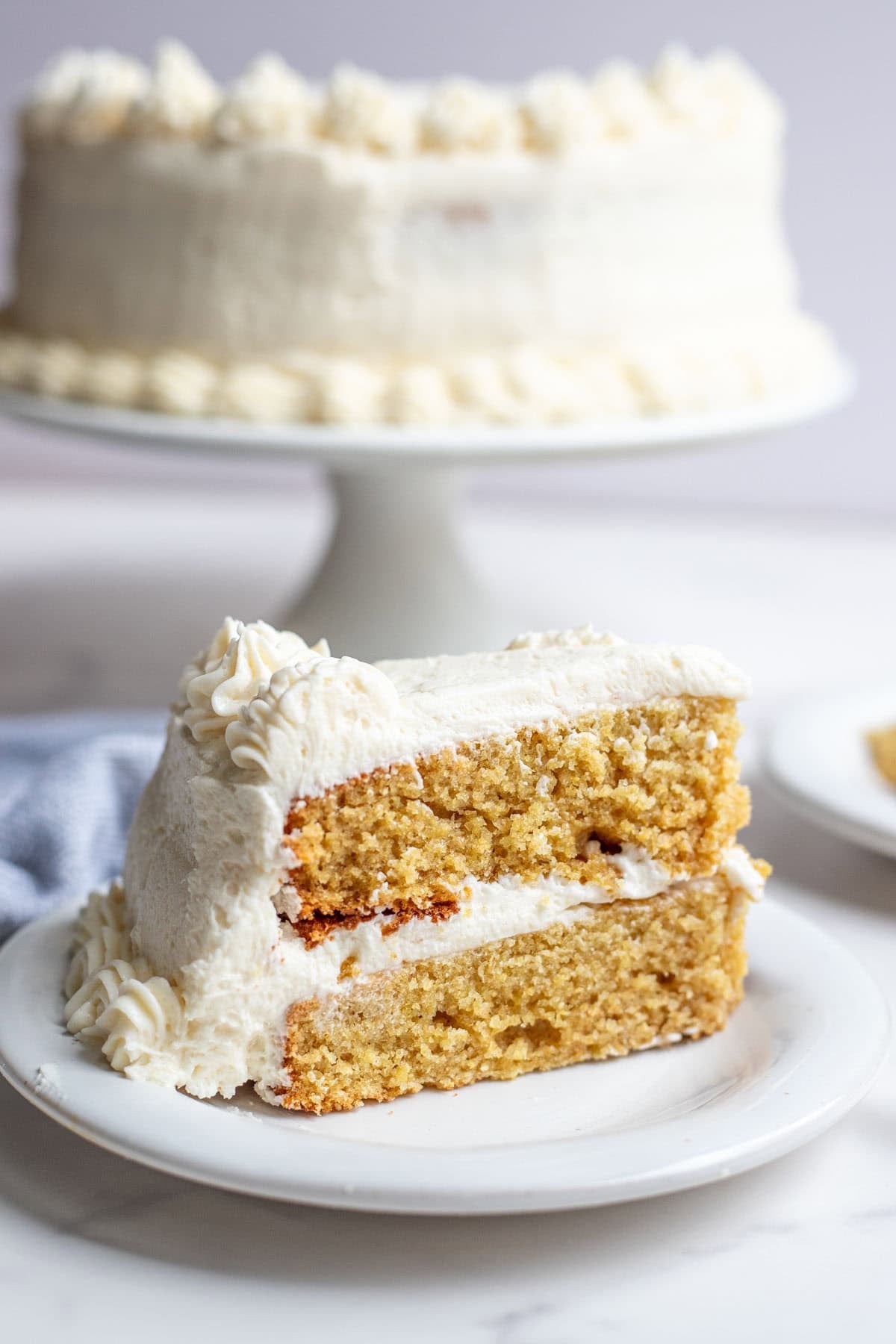
Fresh Milled Flour Cake
A tender, nutty cake made with fresh milled soft white wheat flour, offering rich flavor and wholesome grain goodness.
Ingredients
Instructions
- Mill the soft white wheat berries on a fine setting. If the flour is warm, let it cool for 10-15 minutes on a plate.
- Preheat the oven to 350°F (175°C). Grease an 8-inch round cake pan or a 9-inch square pan and line the bottom with parchment paper. Lightly dust the sides of the pan with flour.
- In a medium bowl, whisk together the finely milled flour, baking powder, baking soda, sea salt, and ground cinnamon for at least 30 seconds to ensure even distribution.
- In a large mixing bowl, beat the softened butter and granulated sugar together for 2-3 minutes until the mixture is pale and fluffy. Add the eggs one at a time, beating well after each addition. Mix in the vanilla extract.
- Gradually add one-third of the flour mixture to the butter mixture, stirring gently to combine. Add half of the buttermilk and yogurt, stirring again. Repeat this process, finishing with the last third of the flour mixture. Mix until just combined, being careful not to overmix.
- Let the batter rest for 10 minutes to allow the flour to absorb moisture effectively. If the batter is too stiff after resting, stir in 1 tablespoon of milk to loosen it up.
- Spread the batter evenly into the prepared cake pan. Bake in the center of the oven for 30-38 minutes, or until the top springs back lightly to the touch and a toothpick inserted in the center comes out with a few moist crumbs.
- Allow the cake to cool in the pan for about 10 minutes before transferring it to a wire rack to cool completely.
Notes
- For a less sweet cake, reduce the sugar to 1/2 cup but remember that sugar also helps retain moisture.
- If you don't have buttermilk, mix 3/4 cup milk with 2 teaspoons of lemon juice and let it sit for 5 minutes to sour.

Tips for Light, Tender Fresh Milled Flour Cake
A fresh milled flour cake recipe can be light and soft, but it needs a little more care than a standard white flour cake. These tips make the process more reliable.
Use the right wheat
Soft white wheat is the best choice for cakes. It has less protein than hard wheat, which helps create a tender crumb.
You can use hard white wheat, but the cake may be slightly chewier. If you use hard red wheat, expect a stronger wheat flavor and darker color. You may also need 1 to 2 extra tablespoons of buttermilk.
Weigh the flour
Volume measurements can be inconsistent. One cup of fresh milled flour may weigh differently depending on how fine it is and how it settles in the measuring cup.
For the most accurate results, weigh 220 grams of flour. If you use measuring cups, spoon the flour into the cup and level the top. Never pack it down.
Rest the batter
The short rest is one of the best lessons I learned while developing a fresh milled flour cake recipe. At first, I skipped it and noticed a slightly rough texture. After resting the batter, the cake became softer and more even.
Do not rest the batter for an hour. The baking soda begins reacting with the acidic buttermilk, so a 10-minute rest is enough.
Use room-temperature ingredients
Cold eggs and dairy can make the butter firm up into small lumps. Room-temperature ingredients blend more smoothly and help the cake rise evenly.
To warm eggs quickly, place them in a bowl of warm water for 5 minutes. Do not use hot water, which may begin cooking the eggs.
Avoid overbaking
Whole grain cakes often look darker before they are fully baked. Use a toothpick, gentle touch, and internal temperature together.
The center should reach about 200°F to 210°F. The top should spring back when pressed lightly. If the edges pull away from the pan, check the cake right away.
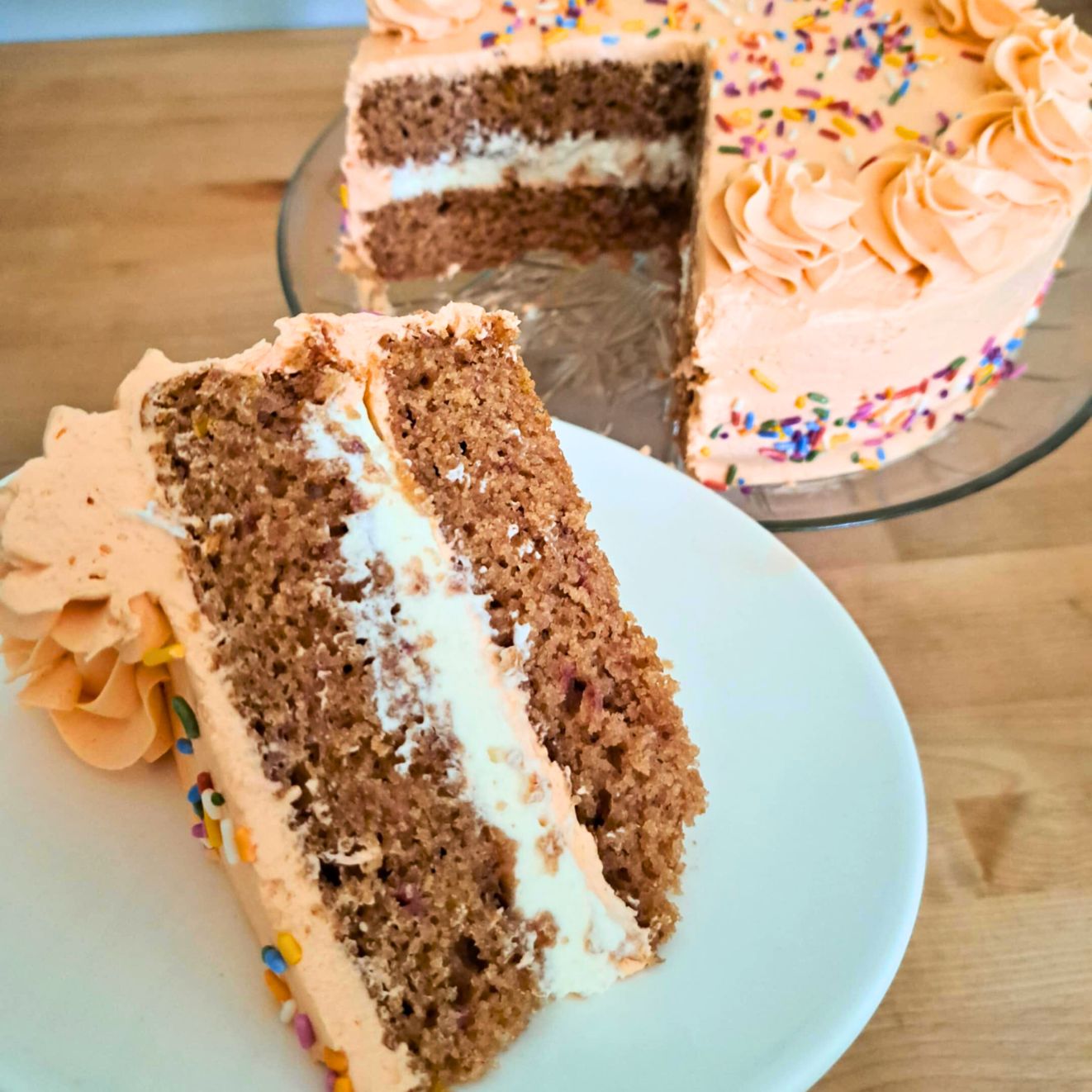
Easy Variations and Flavor Ideas
Once you master the base fresh milled flour cake recipe, you can change the flavor without changing the method.
Apple cinnamon cake
Fold in 1 cup of finely diced apple and increase the cinnamon to 1 1/2 teaspoons. A firm apple, such as Honeycrisp or Granny Smith, holds its shape well.
Lemon yogurt cake
Add 1 tablespoon of fresh lemon zest to the butter and sugar. Replace the cinnamon with 1/4 teaspoon of cardamom if you like a bright, floral flavor.
Chocolate fresh milled cake
Replace 1/4 cup of the flour with 1/4 cup unsweetened cocoa powder. Add 2 extra tablespoons of buttermilk because cocoa absorbs liquid.
Berry cake
Fold in 3/4 cup fresh blueberries or raspberries. Toss the berries with 1 teaspoon of flour first. This helps limit sinking, although some berries may still settle as the cake bakes.
Nut and maple cake
Replace 1/4 cup of the sugar with 1/4 cup pure maple syrup. Reduce the buttermilk by 2 tablespoons, then fold in 1/2 cup chopped pecans or walnuts.
Dairy-free option
Use plant-based butter and unsweetened oat milk mixed with 2 teaspoons of lemon juice. Replace the yogurt with unsweetened dairy-free yogurt or an extra 2 tablespoons of plant milk.

Simple Frosting and Topping Ideas
This cake has enough flavor to serve plain, but a light topping makes it feel special.
Vanilla glaze
Mix 1 cup powdered sugar with 1 to 2 tablespoons of milk and 1/2 teaspoon vanilla. Drizzle it over the cooled cake.
Whipped cream topping
Serve each slice with lightly sweetened whipped cream and fresh berries. This works especially well with lemon or apple variations.
Cream cheese frosting
Beat 4 ounces softened cream cheese with 2 tablespoons butter, 1 cup powdered sugar, and 1/2 teaspoon vanilla. Spread it over a completely cooled cake.
Cinnamon sugar finish
Brush the warm cake with a little melted butter. Sprinkle it with cinnamon and sugar. This simple topping tastes like a soft breakfast cake.
Keep toppings modest. A heavy frosting can hide the fresh grain flavor, which is the main reason to make a fresh milled flour cake recipe.

Common Problems and How to Fix Them
The cake is dense
Dense cake usually comes from coarse flour, too much flour, expired leavening, or overmixing. Mill the wheat more finely, weigh the flour, and stir only until the batter comes together.
Also check your baking powder and baking soda. Baking powder loses strength over time, especially when stored in a warm or damp place.
The cake is dry
Dryness often means the cake baked too long or the flour absorbed more liquid than expected. Check the cake several minutes before the recipe’s suggested end time.
Next time, add 1 tablespoon of buttermilk or yogurt. Do not add a large amount at once, as excess liquid can make the center gummy.
The center sinks
A sunken center may result from opening the oven too early, using too much liquid, or underbaking. Avoid opening the oven during the first 25 minutes.
Make sure the cake reaches a firm center before removing it. Fresh milled flour cake should cool gradually on a rack.
The cake tastes bitter
Too much baking soda can cause bitterness. Measure it carefully and use acidic ingredients, such as buttermilk or yogurt, in the stated amounts.
Rancid flour can also taste bitter. Because fresh flour contains the wheat germ, it can spoil faster than refined flour if stored warm.
The cake has a gritty texture
Grit usually means the flour was too coarse or the batter did not rest. Mill the wheat finer and allow the mixed batter to sit for 10 minutes before baking.

How to Store Fresh Milled Flour and Cake
Freshly milled flour is best used within a few days for the brightest flavor. If you need to store it, place it in an airtight container in the refrigerator or freezer.
The natural oils in the wheat germ can become rancid with heat, light, and air. A cool, dark place helps protect the flour, but refrigeration or freezing offers better long-term storage.
Store the baked cake in an airtight container at room temperature for up to 2 days. Refrigerate it if it has cream cheese frosting, whipped cream, or another perishable topping.
You can freeze unfrosted cake for up to 3 months. Wrap it in plastic wrap, place it in a freezer bag, and thaw it at room temperature. Add the frosting after thawing for the best texture.
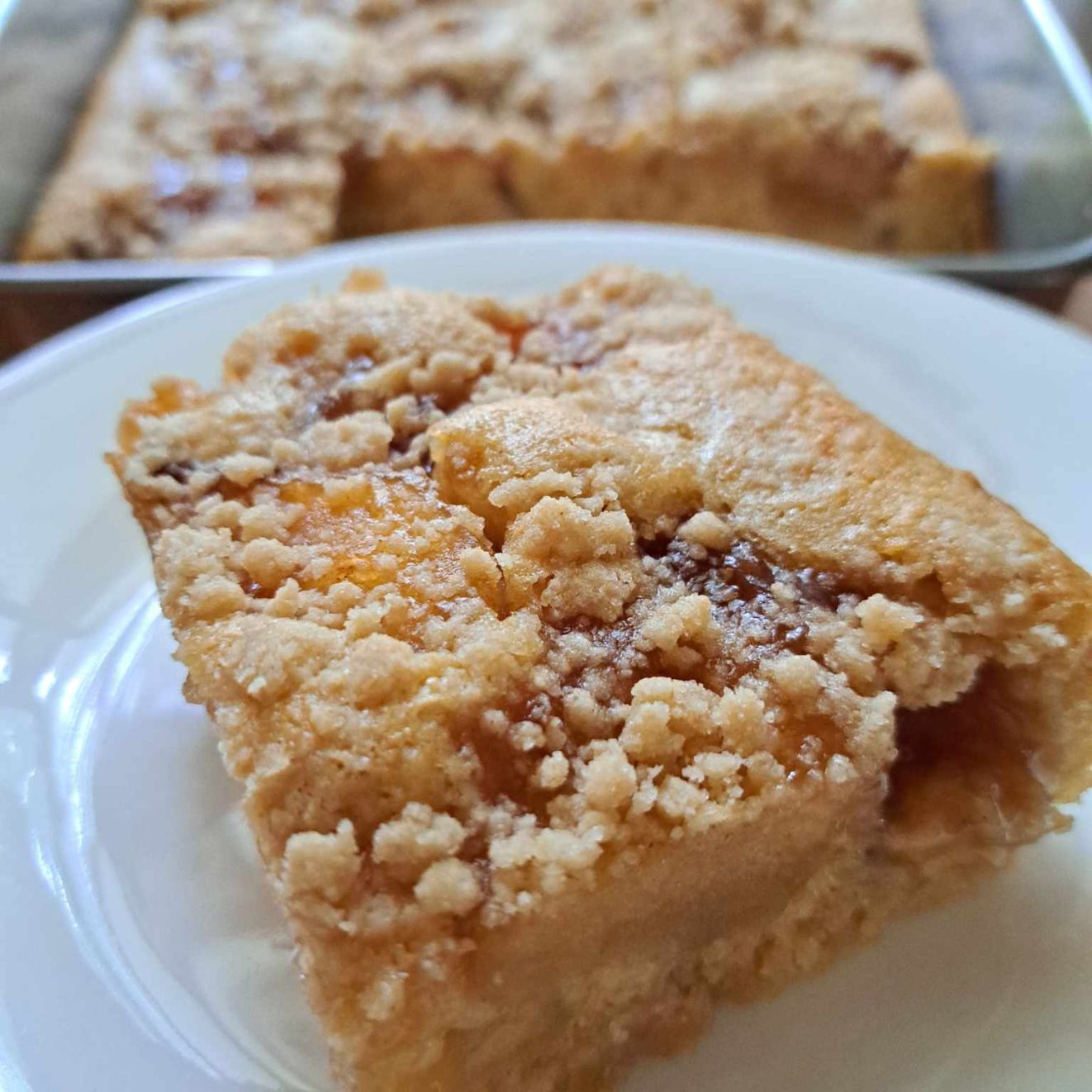
Fresh Milled Flour Cake Recipe: Nutrition and Limitations
Fresh milled flour includes the bran and germ, which provide fiber, minerals, and naturally occurring plant compounds. However, milling does not make cake a low-sugar or low-calorie food.
The nutritional value depends on the wheat variety, serving size, sugar, butter, and toppings. A cake made with whole grain flour can fit into a balanced diet, but it should not be treated as a replacement for vegetables, fruit, beans, or other nutrient-rich foods.
People with celiac disease or wheat allergies should avoid this recipe. Freshly milled wheat is still wheat and contains gluten. Use certified gluten-free grains only if you are adapting the recipe, and remember that gluten-free baking requires different ratios and methods.
For food safety, use clean equipment, bake the cake fully, and refrigerate dairy-based toppings. These basic steps reduce the risk of foodborne illness.
My Best Lessons From Testing This Recipe
The first time I made a fresh milled flour cake recipe, I used hard red wheat because it was the grain I had on hand. The cake tasted good, but it was heavier than I wanted. Switching to soft white wheat made the crumb lighter without removing the whole grain character.
Another mistake was adding extra flour because the batter looked loose. Fresh flour continues to absorb liquid during the rest period, so the batter thickened on its own. Adding more flour too soon produced a dry cake.
My most useful habit is to write down the grain variety, flour weight, liquid amount, and baking time. Weather, milling temperature, and grain age can all affect the batter. A small baking note turns guesswork into a repeatable recipe.
Frequently Asked Questions About Fresh Milled Flour Cake Recipe
Can I use hard wheat instead of soft wheat?
Yes, but the cake may have a firmer texture and stronger wheat flavor. Add 1 to 2 tablespoons of buttermilk if the batter seems unusually thick.
Do I need to sift fresh milled flour?
You do not need to sift it, and sifting can remove some bran. Instead, mill the wheat finely and whisk the dry ingredients well to distribute the leavening.
Can I make this fresh milled flour cake recipe without a grain mill?
Yes. You can buy fresh whole wheat flour from a local mill or store, but check the milling date when possible. Flour that has been stored for a long time may have less aroma and can develop stale flavors.
Why does my fresh milled flour cake taste bitter?
Bitterness may come from rancid flour, too much baking soda, or overbrowning. Store fresh flour in the refrigerator or freezer, measure the leavening carefully, and avoid overbaking.
Can I replace all-purpose flour with fresh milled flour?
You can, but the recipe may need more liquid and a short rest. Start with an equal weight of fresh flour, then adjust with small amounts of milk or buttermilk.
How long does fresh milled flour cake stay fresh?
An unfrosted cake stays moist for about 2 days in an airtight container at room temperature. Freeze it for longer storage, and refrigerate cakes with dairy-based frosting.
Is fresh milled flour healthier than white flour?
Fresh milled whole wheat flour contains the bran, germ, and endosperm, so it generally provides more fiber and nutrients than refined white flour. However, the total nutrition still depends on the full recipe and serving size.
Conclusion
This fresh milled flour cake recipe turns whole wheat berries into a tender, flavorful cake with a warm grain aroma. Use soft white wheat, mill it finely, weigh the flour, rest the batter briefly, and watch the baking time closely.
The process becomes easier with practice. Start with the basic cake, record what you learn, and then try apple, lemon, chocolate, or berry variations. Bake a fresh milled flour cake this week, share a slice with someone you love, and leave a comment with the wheat variety and flavor you used.