Chicken And Macaroni Casserole Recipe: Easy Family Meal
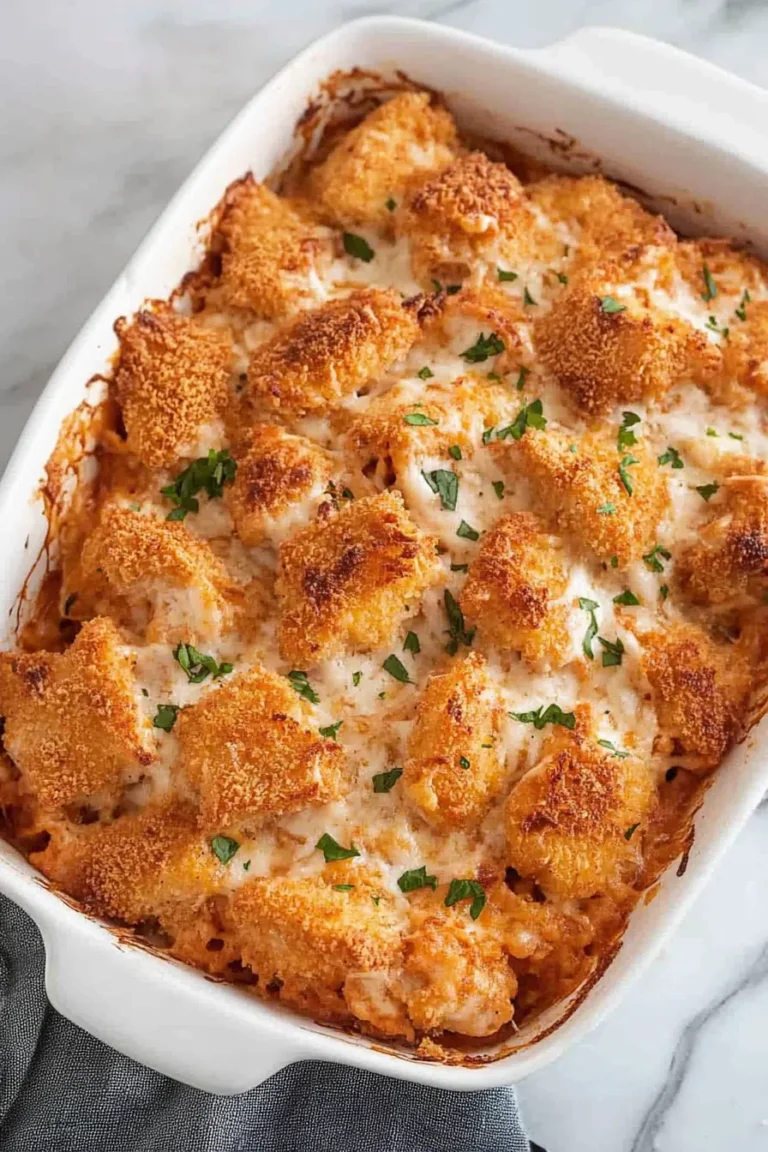
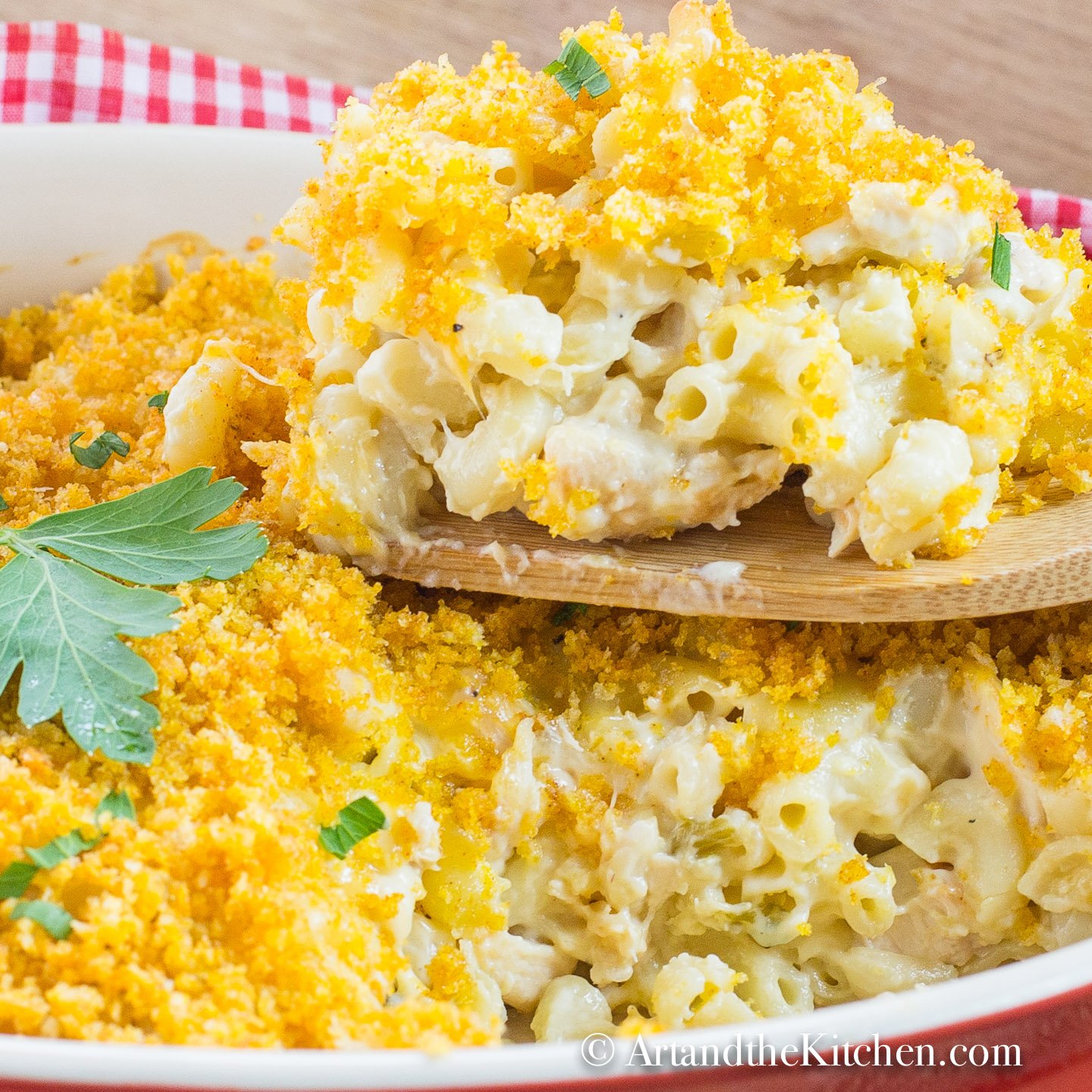
This chicken and macaroni casserole combines tender chicken, creamy sauce, pasta, and melted cheese in one comforting dish.
As a home cook who has tested many baked pasta meals, I find this chicken and macaroni casserole especially useful on busy nights. It uses simple pantry staples, welcomes leftover chicken, and turns into a warm, filling dinner with a golden top. The method below explains how to keep the macaroni tender, the sauce creamy, and the casserole flavorful without making it heavy.

Why This Chicken and Macaroni Casserole Works
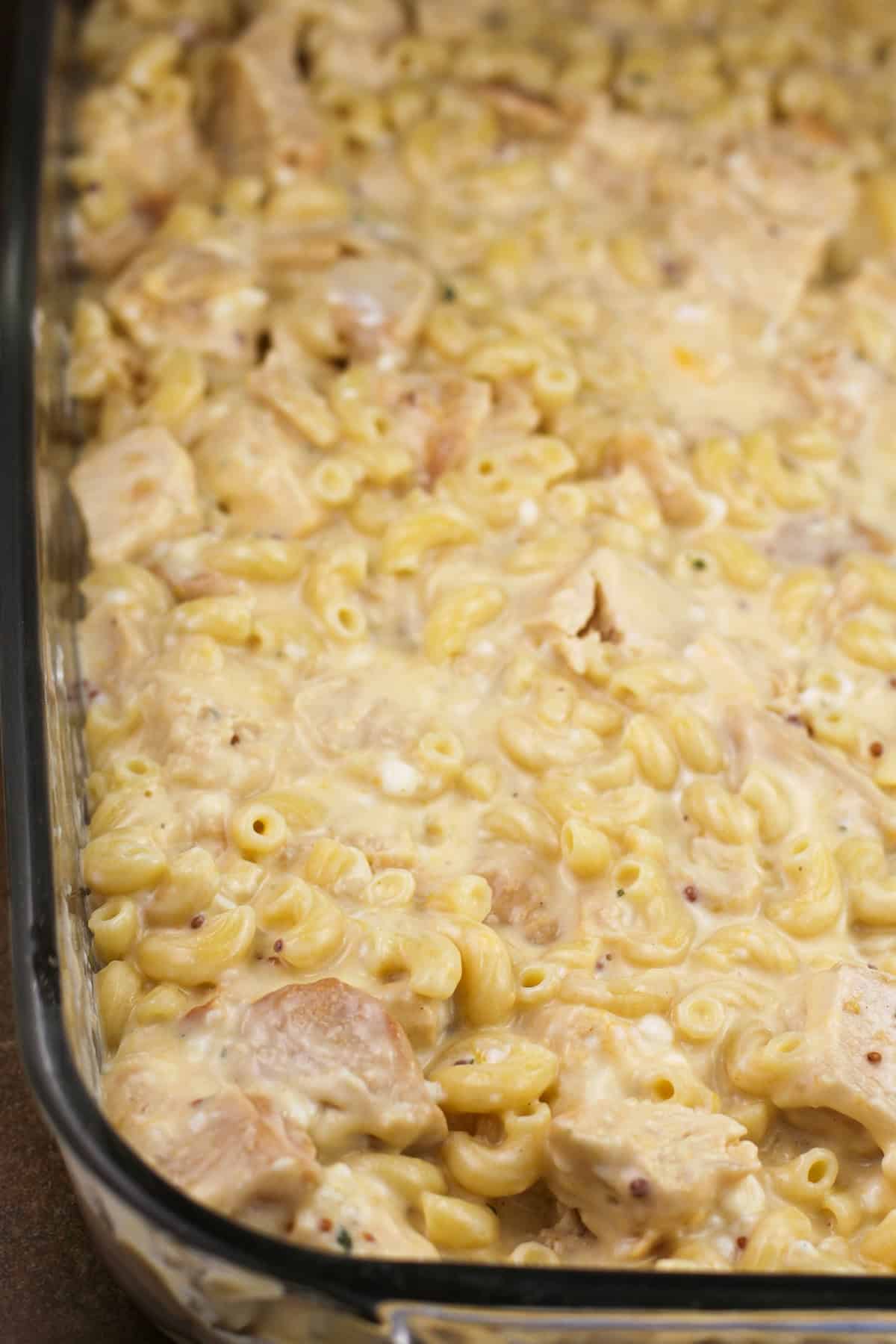
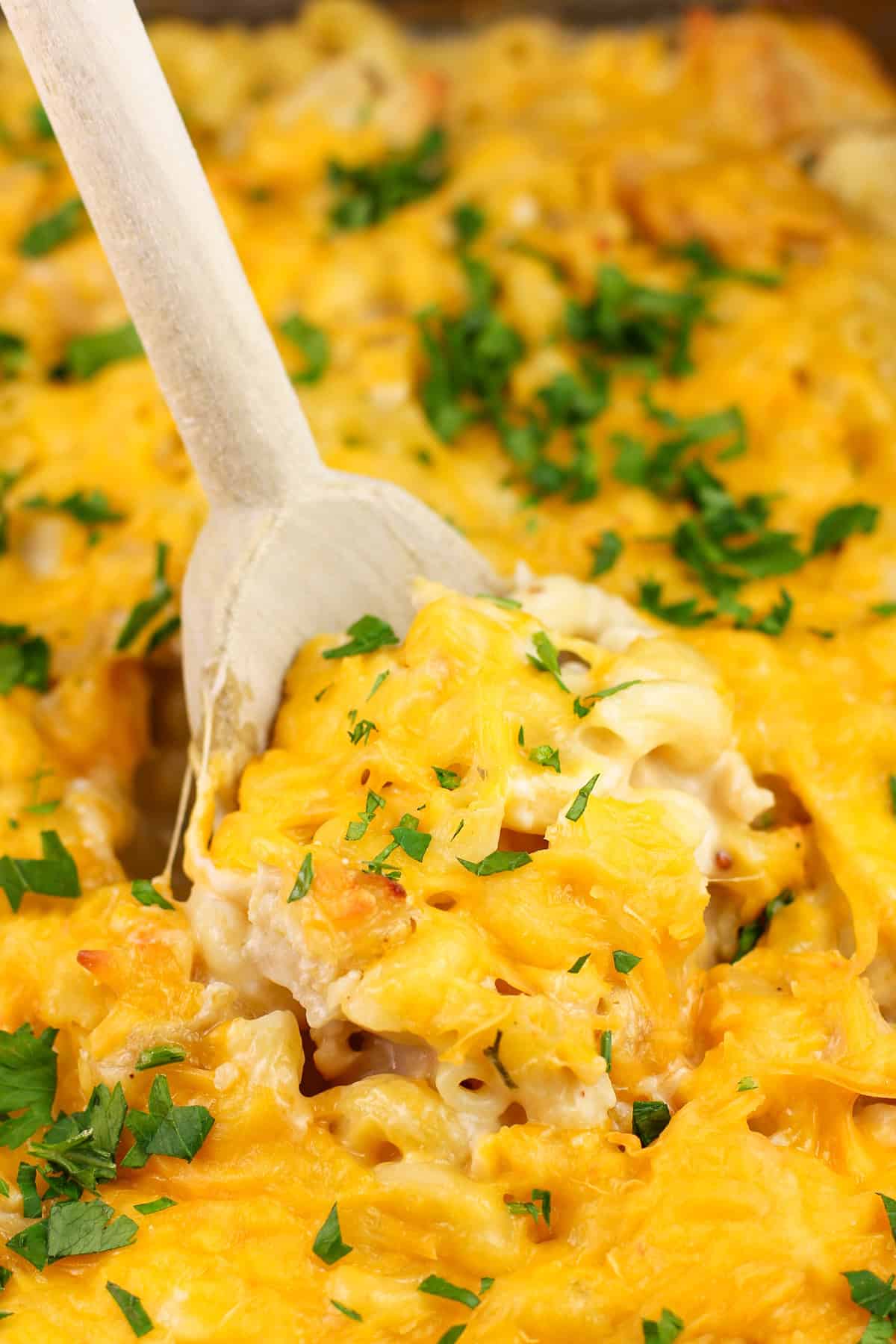
A good chicken and macaroni casserole has three simple parts: cooked pasta, seasoned chicken, and a creamy sauce. Cheese brings the parts together and forms a rich crust as the dish bakes.
The recipe works well because macaroni holds sauce inside its small tubes. Chicken adds lean protein, while vegetables can add color, fiber, and fresh flavor. Baking also gives the dish time to blend its flavors, much like a warm blanket brings comfort on a cold evening.
This chicken and macaroni casserole is also flexible. You can use roasted chicken, poached chicken, rotisserie chicken, or leftover turkey. It is a smart way to stretch a small amount of meat into a meal that serves the whole family.
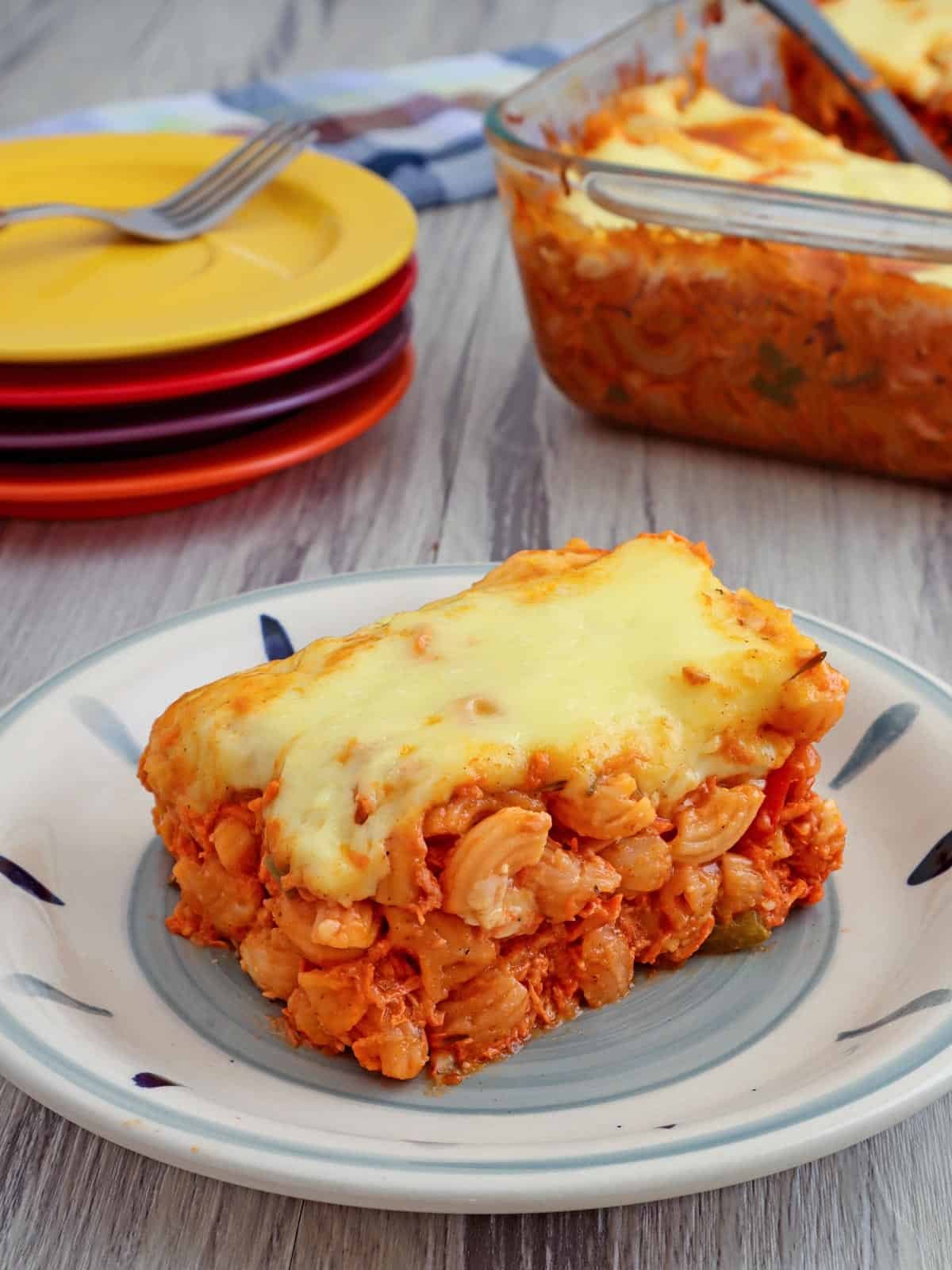
Chicken and Macaroni Casserole
A comforting blend of tender chicken, creamy sauce, and melted cheese baked with elbow macaroni, creating a delicious family meal that's quick and easy to prepare.
Ingredients
Instructions
- Preheat the oven to 375°F (190°C).
- In a large pot, bring salted water to a boil. Add the elbow macaroni and cook for about 2 minutes less than the package directions suggest. Drain well and set aside without rinsing.
- In a large skillet, melt 2 tablespoons of unsalted butter over medium heat. Add the finely diced onion and sauté for 4 to 5 minutes until softened. Stir in the minced garlic and cook for an additional 30 seconds.
- Sprinkle the 2 tablespoons of flour into the skillet, stirring for about 1 minute to create a roux. Slowly whisk in the 2 cups of chicken broth and 1 cup of whole milk, mixing until smooth.
- Add the softened cream cheese, 1 teaspoon of Dijon mustard, 1 teaspoon of paprika, ½ teaspoon dried thyme, ½ teaspoon black pepper, and ¼ teaspoon salt. Cook the sauce for 4 to 6 minutes, stirring often, until it lightly coats the back of a spoon.
- Turn off the heat and stir in the shredded cheddar and Monterey Jack cheeses until melted. Add the cooked chicken and 1 cup of frozen peas and carrots to the sauce, then gently fold in the cooked elbow macaroni to combine without breaking the pasta.
- Grease a 9 by 13-inch baking dish and pour the mixture into it evenly.
- In a small bowl, combine ½ cup of panko breadcrumbs, 1 tablespoon of melted butter, and 2 tablespoons of grated Parmesan cheese. Mix well, then sprinkle this topping over the casserole mixture.
- Bake uncovered in the preheated oven for 20 to 25 minutes, until the edges are bubbling and the top is light golden brown.
- Allow the casserole to rest for 5 to 10 minutes before serving for easier scooping.
Notes
- For best results, undercook the macaroni slightly, as it will continue to cook in the oven.
- Freshly shredded cheese melts better than pre-packaged shredded cheese, which often contains anti-caking agents.
- Feel free to add extra vegetables or substitute proteins according to your preference.
Tips for a Creamy, Flavorful Casserole
Small details can make a big difference. These tips come from the common problems that appear when baked pasta is too dry, too soft, or bland.
• Undercook the pasta slightly. Macaroni absorbs sauce in the oven, so firm pasta gives the best final texture.
• Shred cheese from a block when possible. Some packaged shredded cheeses contain starches that can affect smooth melting.
• Add the cheese off the heat. Very high heat can cause dairy sauces to separate or become oily.
• Keep the sauce slightly loose. A thick sauce before baking often leads to a dry chicken and macaroni casserole.
• Season each layer. Salt the pasta water, season the sauce, and taste before baking.
• Use a wide baking dish. A deep, narrow dish may leave the center cool while the top becomes too dark.
• Cover only when needed. If the top browns too fast, loosely cover the dish with foil for the rest of the baking time.
• Rest before serving. Cutting into the casserole at once can make the sauce run across the plate.
One mistake I often see in home kitchens is adding cold chicken and cold sauce straight from the refrigerator. This can lengthen the baking time and heat the casserole unevenly. Let refrigerated ingredients sit for a short time while you prepare the sauce, but do not leave perishable food at room temperature for more than two hours.
Easy Variations and Substitutions
This chicken and macaroni casserole can change with the season, your pantry, or your dietary needs.
Add more vegetables
Try broccoli, chopped spinach, mushrooms, corn, bell peppers, or green beans. Cook firm vegetables first so they do not release too much water into the sauce.
Fresh spinach can wilt directly into the warm sauce. Frozen vegetables should be thawed and drained when possible. Excess water is a common cause of a loose casserole.
Change the protein
Use leftover turkey, cooked ham, canned tuna, or shredded cooked pork. For a meatless version, replace the chicken with white beans, chickpeas, or extra vegetables.
If you use canned chicken, drain it well and taste the sauce before adding salt. Canned meat can contain more sodium than freshly cooked chicken.
Make it spicy
Add ¼ teaspoon of cayenne pepper, a dash of hot sauce, diced jalapeño, or a pinch of red pepper flakes. Pepper Jack cheese also gives the dish gentle heat.
Make it lighter
Use reduced-fat milk, extra vegetables, and less cheese. Greek yogurt can add creaminess, but stir it in after the sauce cools slightly to reduce the chance of curdling.
A lighter version may not have the same rich texture as the classic chicken and macaroni casserole. That is not a failure; it is simply a different balance of flavor and texture.
Make it gluten-free
Use gluten-free elbow pasta and replace the all-purpose flour with a certified gluten-free thickener. Check broth, cheese blends, and seasoning labels because hidden gluten can appear in prepared products.

How to Store, Freeze, and Reheat It
Cool leftovers promptly and place them in a covered container. The USDA advises refrigerating perishable foods within two hours, or within one hour when the room temperature is above 90°F.
Store the chicken and macaroni casserole in the refrigerator for 3 to 4 days. Reheat individual portions in the microwave until steaming hot, stirring halfway through when possible.
For oven reheating, place the casserole in an oven-safe dish. Add a spoonful or two of milk or broth, cover with foil, and heat at 350°F until the center reaches 165°F.
To freeze the casserole, assemble it in a freezer-safe dish but leave off the breadcrumb topping. Cool it fully, wrap it tightly, and freeze for up to 2 months for the best quality.
Thaw the frozen chicken and macaroni casserole in the refrigerator overnight. Add the topping and bake at 375°F until the center is hot. Avoid thawing meat-based casseroles on the counter.
Common Problems and How to Fix Them
Why is the casserole dry?
Dryness usually comes from overcooked pasta, too little sauce, or extended baking. Next time, undercook the macaroni by 2 to 3 minutes and keep the sauce loose before assembly.
You can also stir a small amount of warm milk or broth into leftovers before reheating. This restores moisture without making the dish watery.
Why is the sauce greasy?
A greasy sauce may result from overheated cheese or cheese with a high fat content. Remove the pan from the heat before adding cheese and stir slowly until it melts.
Using freshly shredded cheese and moderate heat can help create a smoother sauce.
Why is the center still cold?
A deep dish, cold ingredients, or an oven that runs cool can leave the center underheated. Spread the mixture evenly in a wide dish and use an instant-read thermometer to check the center.
The casserole is ready when the middle reaches 165°F and the edges are bubbling.
Why is the casserole watery?
Frozen vegetables, watery mushrooms, or an overly thin sauce can release liquid during baking. Drain thawed vegetables and cook mushrooms until their moisture evaporates.
Allowing the finished casserole to rest also helps the sauce thicken before serving.

Serving Ideas
Serve this chicken and macaroni casserole with a crisp green salad. The fresh vegetables balance the creamy pasta and add contrast to the meal.
Good side dishes include:
• Steamed broccoli with lemon
• Roasted green beans
• Simple tomato and cucumber salad
• Steamed peas
• Coleslaw with a light dressing
For a family dinner, place the casserole in the center of the table and let it rest while everyone gathers. For a potluck, bake it in a disposable foil pan and keep it hot with an insulated carrier. Always keep hot food hot and return leftovers to the refrigerator promptly.
This dish is filling on its own, so the best sides are often simple. A sharp salad or lightly dressed vegetable can brighten each bite without competing with the creamy sauce.
Nutrition and Portion Notes
The exact nutrition depends on the chicken, cheese, milk, pasta, and serving size. A typical serving provides protein from chicken and dairy, carbohydrates from macaroni, and fat from cheese and butter.
To reduce sodium, choose low-sodium broth, avoid heavily salted canned ingredients, and taste before adding extra salt. To increase fiber, use whole-wheat macaroni or add more vegetables.
This chicken and macaroni casserole is a comfort food, not a low-calorie dish by default. Still, balanced portions and a vegetable side can make it fit into a varied eating pattern. People with milk, wheat, or other allergies should check every ingredient label and use safe substitutions.
Frequently Asked Questions About Chicken and Macaroni Casserole Recipe
Can I use rotisserie chicken in this recipe?
Yes. Remove the skin and bones, then shred or chop the meat before adding it to the sauce. Rotisserie chicken is convenient, but it may be salty, so taste the casserole before adding more salt.
Can I make chicken and macaroni casserole ahead of time?
Yes. Assemble it, cover it tightly, and refrigerate it for up to 24 hours. Add a few extra minutes to the baking time and make sure the center reaches 165°F before serving.
Should I cover the casserole while it bakes?
Bake it uncovered so the top can brown. If the breadcrumbs darken too quickly, cover the dish loosely with foil and continue baking until the center is hot.
Can I freeze chicken and macaroni casserole?
Yes. Freeze the assembled casserole without the breadcrumb topping for up to 2 months for the best quality. Thaw it in the refrigerator, add fresh topping, and bake until it reaches 165°F in the center.
What macaroni works best for this casserole?
Elbow macaroni is the classic choice because its shape holds creamy sauce well. Small shells, cavatappi, rotini, or penne also work if you cook them slightly under the package time.
How do I stop the pasta from becoming mushy?
Cook the macaroni 2 minutes less than the package directions and avoid adding extra liquid. The pasta will continue cooking as the casserole bakes.
Can I make this casserole without cream cheese?
Yes. Replace the cream cheese with ½ cup of sour cream, plain Greek yogurt, or additional shredded cheese. Add yogurt or sour cream after the sauce cools slightly to reduce curdling.
Conclusion
This chicken and macaroni casserole is a practical comfort meal with tender chicken, creamy sauce, flavorful cheese, and pasta that holds everything together. The key steps are simple: undercook the macaroni, keep the sauce slightly loose, season as you go, and bake until the center is hot.
Use leftover chicken for speed, add vegetables for balance, and adjust the cheese or seasoning to suit your family. Try this recipe soon, then share your favorite variation or serving idea in the comments.